India’s beverage industry is undergoing a major transformation.
Over the last decade, consumers have become significantly more selective not just about what they drink, but increasingly how those beverages are packaged.
Packaging today is no longer simply functional.
It influences:
This shift has created one of the biggest changes currently happening in the beverage industry:
The rapid rise of aluminium canned beverages.
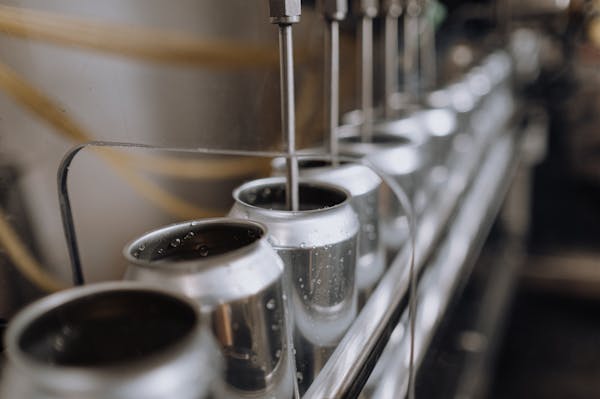
From energy drinks and sparkling water to functional beverages, mocktails, low sugar sodas, and ready-to-drink products, aluminium cans are increasingly becoming the preferred packaging choice for modern beverage brands.
For businesses looking to launch beverages through private label manufacturing or contract manufacturing of beverages in India, understanding this shift has become increasingly important.
Historically, plastic bottles dominated large parts of the Indian beverage market.
But consumer expectations are changing rapidly.
Increasingly, premium beverage categories are moving toward aluminium cans because they offer advantages that traditional packaging formats often struggle to match.
Some of the biggest advantages include:
In simple terms: Consumers increasingly associate aluminium cans with premium beverages.
This is one reason why many modern beverage categories globally now launch in cans before considering other packaging formats.
One of the most important shifts happening globally is the relationship between packaging and product pricing.
Consumers often perceive canned beverages as more premium compared to plastic bottles.
The same product can often command stronger positioning simply because of packaging choice.
This is especially true for categories such as:
In markets like the United States and Europe, aluminium cans have become strongly associated with premium lifestyle beverage brands.
As global packaging trends increasingly influence India, this behaviour is becoming more visible here as well.
For founders and beverage entrepreneurs, this creates an important insight: Packaging is increasingly becoming part of the product itself.
One of the biggest drivers of aluminium can growth globally has been the rapid expansion of modern beverage categories.
Demand is growing rapidly across:
In particular, the 250 ml slim can format has emerged as one of the most attractive packaging options globally.
Consumers associate slim cans with:
This is especially visible among younger consumers purchasing:
This trend is now increasingly shaping India’s premium beverage market as well.
Traditionally, launching a beverage brand required significant capital investment. Businesses had to manage:
Today, things look very different.
Through private label beverage manufacturers and contract manufacturing companies in India, businesses can launch beverages without building their own production facilities.
Under this model, a manufacturing partner handles:
This allows businesses to focus on:
This is one reason why private label beverage manufacturing is becoming increasingly popular among startups and modern FMCG brands.
As competition increases, packaging design becomes critical.
For new beverage brands, two common packaging options dominate:
Printed cans offer:
However, printed can suppliers usually require larger order quantities.
This makes them ideal for established brands scaling volume.
Shrink sleeves offer greater flexibility for newer brands.
Advantages include:
Ideal for pilot runs and smaller launches
For emerging beverage brands, sleeve applications often allow faster market entry before moving to printed cans at scale.
One of the biggest challenges new beverage brands face is understanding Minimum Order Quantity (MOQ).
MOQ in canned beverage manufacturing is influenced by:
A well-planned MOQ strategy helps brands optimise:
For startups, understanding MOQ early can significantly reduce unnecessary costs.
Unlike plastic bottle packaging, aluminium can manufacturing requires tighter supply chain coordination.
Success often depends on:
Global supply disruptions over the last few years have shown how critical reliable packaging sourcing has become.
For growing beverage brands, manufacturing partnerships become extremely important.
Sustainability is no longer optional.
Consumers and regulators increasingly expect beverage companies to move toward environmentally responsible packaging solutions.
Aluminium remains one of the most recyclable packaging materials globally.
This makes cans highly attractive for brands focused on:
As sustainability regulations continue evolving globally, can adoption in India is expected to grow significantly.
Some of the biggest beverage brands globally have already moved aggressively toward aluminium cans.
Historically, packaging trends that become mainstream in Western markets eventually shape Indian consumer behaviour as well.
For entrepreneurs, distributors, retailers, and FMCG brands, this creates an important opportunity.
The businesses launching premium canned beverages early are likely to benefit from:
The future of beverages is not simply about what is inside the product.
Increasingly, packaging itself is becoming a major part of consumer decision-making.
Launching canned beverages requires expertise that goes far beyond beverage formulation.
It requires understanding:
At Adhar Beverages, we help brands launch modern canned beverage products through private label manufacturing and contract manufacturing of beverages in India.
With growing expertise in 250 ml aluminium can manufacturing, energy drink manufacturing, functional beverages, low sugar drinks, mocktails, and scalable production systems, we help brands move efficiently from product concept to market launch.
As one of the growing names among private label beverage manufacturers and contract manufacturing companies in India, we help businesses build products aligned with modern packaging trends and evolving consumer behaviour.
For beverage brands looking to build premium products, aluminium cans represent one of the biggest opportunities shaping the future of the industry.
Aluminium cans offer premium shelf appeal, better product protection, faster chilling, stronger sustainability benefits, and improved branding opportunities.
Consumers increasingly associate aluminium cans with premium beverage categories such as energy drinks, sparkling beverages, and imported-style products.
Yes. Private label beverage manufacturers and contract manufacturing companies allow businesses to launch canned beverages without building their own production infrastructure.
Printed cans are ideal for large production runs and premium branding, while shrink sleeve applications offer flexibility for pilot launches and lower initial investment.