One of the biggest decisions beverage founders make isn’t about flavour.
It isn’t about branding. And surprisingly, it isn’t even about pricing.
It’s about packaging viz. – Should you launch your beverage in aluminium cans or bottles?
The packaging you choose affects far more than aesthetics. It influences your manufacturing costs, logistics, shelf life, consumer perception, retail strategy, and even the occasions in which your product is consumed.
There’s no universal winner.
A premium energy drink, a craft soda, a kombucha, a fruit beverage, and a functional drink may all have very different packaging requirements.
If you’re planning to launch a beverage brand through private label manufacturing, understanding the strengths and limitations of both packaging formats can help you make a smarter business decision.
Consumers often decide whether to pick up a beverage before they’ve even tasted it.
Packaging creates the first impression.
It communicates:
1. Premium or affordable
2. Modern or traditional
3. Refreshment or indulgence
4. Convenience or sharing
5. Everyday drink or special occasion
Choosing between cans and bottles is therefore both a manufacturing decision and a branding decision.
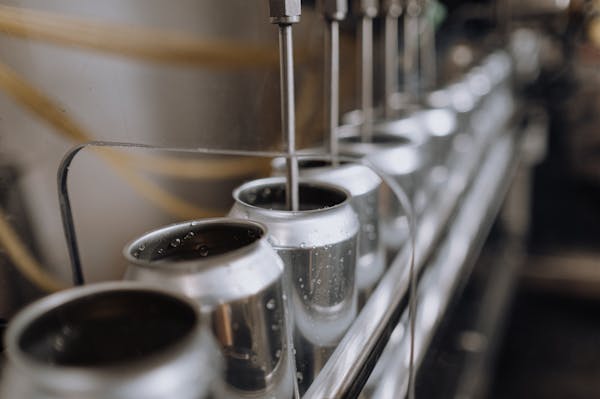
Aluminium cans have become the preferred choice for many modern beverage categories.
From energy drinks and sparkling water to ready-to-drink mocktails and craft beverages, cans have gained significant popularity over the last decade.
Advantages of Can Filling
1. Excellent Product Protection – One of the biggest advantages of aluminium cans is their ability to protect beverages from light and oxygen.
Exposure to sunlight can gradually affect flavour, colour, and freshness.
Since cans are completely opaque, they help preserve product quality throughout the product’s shelf life.
2. Modern Premium Perception – Consumers increasingly associate cans with modern, premium beverages.
Many successful brands across categories such as:
a. Energy Drinks
b. Functional Beverages
c. Craft Sodas
d. Ready-to-Drink Cocktails
e. Sparkling Water
have embraced cans because they feel contemporary and aspirational.
3. Faster Chilling – Aluminium conducts temperature much faster than glass or PET.
That means beverages cool more quickly, making them particularly suitable for products consumed cold.
4. Lightweight for Transportation – Compared to glass bottles, cans are lighter to transport.
Lower transportation weight can improve logistics efficiency, especially for brands distributing products across multiple cities.
5. 360° Branding Opportunity – Unlike bottles, cans provide uninterrupted printable surface area.
This allows brands to create bold packaging designs with strong shelf visibility.
Limitations of Can Filling
Like every packaging format, cans also have certain considerations.
Bottles remain one of the most versatile packaging formats in the beverage industry.
They continue to dominate categories ranging from juices and flavoured milk to traditional beverages, mineral water, syrups, and carbonated soft drinks.
Depending on the product, brands can choose between PET bottles or glass bottles.
Advantages of Bottle Filling
1. Consumers Can See the Product – For beverages where appearance is a selling point, bottles offer a clear advantage.
Products such as:
benefit from allowing consumers to see the liquid before purchasing.
2. Resealable Convenience – Unlike cans, bottles can usually be opened and closed multiple times.
This makes them ideal for beverages consumed over a longer period rather than in a single sitting.
3. Multiple Size Options – Bottle filling offers tremendous flexibility.
Brands can introduce products in:
depending on consumer usage occasions.
4. Familiar Consumer Behaviour – Many beverage categories have traditionally been sold in bottles.
Consumers naturally expect products like juices, flavoured milk, packaged water, and syrups to be available in bottle formats.
Matching consumer expectations often improves purchase confidence.
Limitations of Bottle Filling
Bottle packaging also comes with trade-offs. Primary ones being that glass bottles are:
On the other hand, options like PET bottles present following challenges:
These factors should be evaluated based on the product category and target market.
While there are always exceptions, cans are commonly preferred for products such as:
These categories often benefit from the modern image and portability that cans provide.
Bottles continue to perform exceptionally well for:
Their resealability and product visibility make them suitable for beverages that are consumed over time or shared.
Rather than asking which packaging format is better, founders should ask which packaging format is better for their product.
Some important questions include:
1. What type of beverage are you launching?
Carbonated beverages often pair well with cans, while still beverages may be equally effective in bottles.
2. Who is your target audience?
Young, urban consumers may gravitate towards sleek cans for on-the-go consumption, while families may prefer larger bottle formats for convenience.
3. Where will the product be sold?
Products designed for quick commerce, cafés, modern retail, or events may have different packaging needs than those sold through traditional retail or wholesale channels.
4. What brand image are you trying to create?
Packaging plays a major role in shaping consumer perception. A premium functional drink may benefit from a slim can, while a nostalgic traditional beverage may feel more authentic in a glass bottle.
5. What is your budget and production strategy?
Packaging choice can influence manufacturing, logistics, storage, and overall project economics. Evaluating these factors early helps avoid costly changes later.
It’s tempting to think of this as a competition between cans and bottles.
In reality, both packaging formats have earned their place because they solve different problems.
A can is not automatically better than a bottle.
Likewise, a bottle is not an outdated alternative to a can.
The right choice depends on:
The most successful beverage brands choose packaging that complements the product, rather than forcing the product to fit the packaging.
Launching with a single product allows founders to validate several important assumptions.
You learn:
1. Will consumers buy your product?
2. Which distribution channels perform best?
3. What pricing works?
4. How quickly does inventory move?
5. Which marketing messages resonate?
These insights become incredibly valuable before investing in additional flavors.
Instead of guessing what consumers want, you let the market tell you.
Once your first SKU gains traction, expansion becomes a strategic decision rather than a gamble.
Packaging decisions are best made during the product development stage, not after the formulation is finalised.
An experienced manufacturing partner can help evaluate factors such as product compatibility, filling technology, shelf-life requirements, logistics, and consumer expectations before production begins.
At Adhar Beverages, we offer both can filling and bottle filling solutions as part of our private label manufacturing and contract manufacturing services. Whether you’re launching an energy drink in sleek aluminium cans, a traditional beverage in glass bottles, or a refreshing fruit drink in PET bottles, our team works with you to recommend the packaging format that best aligns with your product and business goals.
Because the best packaging decision isn’t about following trends.
It’s about choosing the format that gives your beverage the best chance to succeed.
Neither is universally better. The right choice depends on the beverage type, target audience, distribution strategy, and brand positioning.
Yes. Experienced private label beverage manufacturers like Adhar Beverages offer multiple packaging formats and can help determine the best option based on your product. Connect for a consultation.
Energy drinks, sparkling beverages, functional drinks, premium sodas, ready-to-drink mocktails, and carbonated soft drinks are often packaged in aluminium cans.
Fruit juices, flavoured water, cold coffee, traditional drinks, syrups, and larger family packs are commonly packaged in bottles.