Author: contact@3sistersdrinks.com

  • How To Launch Your Own Beverage Startup in India

    How to Launch Your Own Beverage Brand in India: A Complete Founder’s Checklist

    The Indian beverage market is exploding – from energy drinks to cold-pressed juices, functional beverages, hydration drinks, iced teas, protein drinks, kombucha, and everything in between.

    But while creating a drink idea is easy, launching a beverage brand in India the right way requires structure, planning, and the right partners.

    Here is a practical checklist to help founders launch a beverage the smart way – based on real manufacturing, regulatory, R&D, and operations insights.

    1. Finalize Your Beverage Concept & Market Positioning

    Before touching formulation, get clarity on:

    • What problem does your beverage solve?
    • Who is your target customer?
    • What format fits best (can, bottle, glass, PET)?
    • What is your expected price point?
    • Are you competing on taste, function, clean-label, or convenience?

    Skip this step and you’ll end up reformulating later – which is expensive.

    2. Work With the Right Beverage R&D Partner

    Founders often underestimate the importance of formulation.

    A good beverage formulation company in India will help you:

    • Craft stable recipes
    • Balance acidity, sweetness, aroma
    • Select the right preservatives (or make it preservative-free)
    • Choose functional ingredients safely
    • Keep costs reasonable
    • Ensure your drink passes stability
    • Comply with FSSAI regulations

    Look for a beverage R&D and manufacturing partner that has experience with similar categories.

    3. Run Pilot Batches Before Commercial Production

    Never go straight to full-scale manufacturing.

    Your first step should be small pilot batches to test:

    • Taste refinement
    • Carbonation levels (if applicable)
    • Color stability
    • Sedimentation
    • Shelf life
    • Heat sensitivity
    • Packaging compatibility

    Startup-friendly plants (a beverage contract manufacturer for startups) allow small MOQs so you can experiment before committing big money.

    4. Choose the Right Contract Manufacturer

    This is the most important decision in your entire beverage journey. Look for a plant that is:

    • an FSSAI & ISO certified beverage manufacturer
    • a HACCP certified beverage plant in India
    • Experienced in producing startup volumes
    • Transparent with COA and batch reports
    • Capable of scaling with you

    Capabilities you may need depending on your product:

    • Carbonation bottling manufacturer India (energy drinks / fizzy beverages)
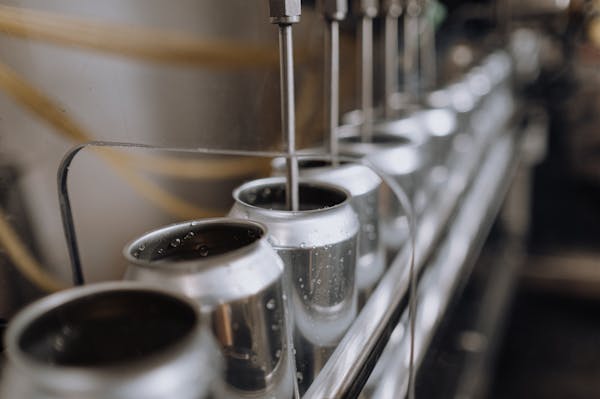
    • Canned beverage manufacturer India (RTD coffees, functional drinks, seltzers)
    • Juice bottling plant India (juices, nectars, blends)
    • Hot-fill or retort bottling (preservative-free beverages)
    • Nitrogen-dosed beverage manufacturer (for cans, protein drinks)
    • Beverage manufacturer with full documentation and COA
    • Beverage manufacturer with regulatory support

    The right co-packer reduces your risk and accelerates your growth.

    5. Ensure Documentation, COA & Batch Traceability Are in Place

    Retailers, distributors, and investors all expect:

    • Ingredient COA
    • Batch traceability
    • Microbiology reports
    • Nutritional testing
    • Label compliance
    • Shelf-life verification

    Choose a beverage plant with batch traceability and strong documentation systems.

    This protects your brand in case of complaints or audits.

    6. Packaging & Labeling (A Critical Step That Many Founders Mess Up)

    Your packaging should align with:

    • Beverage pH
    • Carbonation pressure
    • Shelf-life needs
    • Pasteurization or hot-fill requirements
    • Export requirements (future-proofing)

    Always get a label compliance check before printing.

    Mistakes here can lead to FSSAI penalties or product recalls.

    7. Stability Testing & Microbiology Validation

    Never skip this.

    Your beverage must pass:

    • Chemical stability
    • Microbiology stability
    • Temperature cycles
    • Light exposure
    • Taste consistency over time

    Choose a manufacturer with lab testing and stability capability.

    A drink may taste great on Day 1 and completely change by Week 4 – stability testing catches this early.

    8. Costing & Price-to-Market Check

    Before final production, verify:

    • Cost per bottle
    • Packaging costs
    • Freight costs
    • Manufacturing margin
    • Distributor margin
    • Retailer margin
    • GST impact

    A product that costs ₹25 to make must typically retail at ₹90–₹110 to remain profitable.

    Run a full P&L simulation before launch.

    9. Production Run & Quality Control

    Once everything is ready, move to commercial production.

    Ensure your co-packer can give you:

    • Live production monitoring
    • Sample retention
    • Batch testing
    • COA for every run
    • Detailed production reports

    A beverage co-packer for startups is more likely to support you with transparency and flexibility.

    10. Distribution & GTM Launch

    Your manufacturing is just the start.

    Plan your route-to-market:

    • Modern Trade
    • General Trade
    • D2C on your website
    • OND (gyms, cafes, airports, hotels)
    • Amazon/Quick Commerce
    • Sampling & events
    • Influencer strategy

    Start lean, validate demand, and scale the channels that work.

    11. Keep Your Manufacturer as a Long-Term Partner

    The best factories act as strategic partners – not vendors.

    A good manufacturing partner can help you with:

    • Formulation upgrades
    • New flavors
    • Scaling capacity
    • Exports
    • Cost optimization
    • Documentation
    • Long-term consistency

    Look for an end-to-end beverage manufacturing partner who works with startups, not just big brands.

    It All Boils Down To Making the Right Choices

    Launching a beverage brand in India is absolutely doable – but only if you follow a structured, scientific process.

    Use this checklist to avoid the most common founder mistakes and build a beverage brand that can scale nationally.

  • Mistake to Avoid When Choosing Beverage Contract Manufacturer

    Crucial Mistakes Startups Make When Choosing a Contract Manufacturer for Their Beverage Brand

    Launching a beverage startup in India is exciting – but the journey from idea to bottle is full of hidden traps. The biggest one is choosing the wrong beverage contract manufacturer for startups.
    Most founders assume “any factory can make my drink.”

    In reality, the right manufacturing partner determines:

    • Your product’s quality
    • Shelf life
    • Cost of production
    • Brand reputation
    • Ability to scale
    • Regulatory safety

    This article deals with the most crucial mistakes first-time founders make when choosing a beverage co-packer in India, and how to avoid them. Let’s jump right into it.

    1. Choosing a Plant Without Proper Certifications

    Many small factories claim to be “compliant” but fail during audits or retail checks.

    If you want a safe, legally compliant product, your manufacturer must be:

    • FSSAI & ISO certified beverage manufacturer
    • HACCP certified beverage plant in India

    These certifications ensure the facility follows hygienic processing, validated cleaning systems, and strong quality control. For any startup, this is non-negotiable.

    Many small factories claim to be “compliant” but fail during audits or retail checks.

    If you want a safe, legally compliant product, your manufacturer must be:

    • FSSAI & ISO certified beverage manufacturer
    • HACCP certified beverage plant in India

    These certifications ensure the facility follows hygienic processing, validated cleaning systems, and strong quality control. For any startup, this is non-negotiable.

    2. Ignoring Documentation, COA & Batch Traceability

    A lot of new beverage brands run into trouble because they don’t have:

    • batch-wise traceability
    • ingredient COAs
    • production records
    • microbiology test reports

    A professional beverage manufacturer with full documentation and COA protects your brand from regulatory issues and helps you secure retail partners who demand traceability.

    3. Choosing a Plant That Can’t Do Small Pilot Batches

    Startups often need small-scale R&D runs before committing to full production.

    If your factory refuses pilot trials, you risk wasting lakhs on a formula that isn’t stable.

    Choose a beverage contract manufacturer for startups who:
    supports low MOQs

    • allows multiple R&D iterations
    • helps test shelf life
    • adjusts sugar/acidity/preservatives scientifically

    This dramatically reduces risk early on. This is exactly why we, at Adhar Beverages, pride ourselves as one of the leading private label beverage manufacturers and have the provision of doing pilot / test batches. This ensures the best chance of success without blocking large sums of money.

    4. Not Checking If the Manufacturer Has the Right Filling Line

    Not every plant can produce every type of beverage.
    For example:

    • Energy drinks require a carbonation bottling manufacturer India
    • Clean-label juices may require hot-fill or retort capabilities
    • Canned beverages require a canned beverage manufacturer India

    If the plant lacks the correct technology for your format, you’ll face shelf-life issues, off-flavors, or failed microbiology tests.

    5. Choosing a Co-Packer Without Proper Lab Testing

    This is one of the biggest reasons early beverage brands fail.

    Your manufacturer must offer:

    • in-house lab testing
    • stability testing
    • microbiology checks
    • physical/chemical testing

    A plant with lab testing and stability expertise ensures your product won’t spoil, separate, ferment, or lose flavor within weeks.

    6. Ignoring R&D and Going Straight Into Production

    Startups often rush into manufacturing without optimizing formulation.

    A strong beverage formulation company in India can help you:
    fix taste balance

    • Optimize cost (sweeteners, acids, flavors)
    • Ensure stability
    • Reduce preservatives safely
    • Achieve clean-label claims
    • Comply with FSSAI regulations

    Founders who skip R&D usually end up reformulating after burning money on production.

    7. No Regulatory Guidance

    Most early founders don’t understand FSSAI rules for:

    • Labeling
    • Nutritional panels
    • Preservative limits
    • Ingredient approvals
    • Claim guidelines

    A beverage manufacturer with regulatory support can save you months of guesswork and prevent product recalls or penalties.

    8. Thinking a Manufacturer Is a “Vendor” Instead of a Strategy Partner

    The right manufacturing partner acts as a guide – not just a factory.

    A good beverage co-packer for startups will help with:
    formulation

    • Pilot trials
    • Ingredient sourcing
    • Packaging selection
    • Quality checks
    • Shelf-life testing
    • Compliance
    • Scaling production as orders grow