Author: contact@3sistersdrinks.com

  • Can vs. Bottle: Which Packaging Is Right for Your Beverage Brand?

    One of the biggest decisions beverage founders make isn’t about flavour.

    It isn’t about branding. And surprisingly, it isn’t even about pricing.

    It’s about packaging viz. – Should you launch your beverage in aluminium cans or bottles?

    The packaging you choose affects far more than aesthetics. It influences your manufacturing costs, logistics, shelf life, consumer perception, retail strategy, and even the occasions in which your product is consumed.

    There’s no universal winner.

    A premium energy drink, a craft soda, a kombucha, a fruit beverage, and a functional drink may all have very different packaging requirements.

    If you’re planning to launch a beverage brand through private label manufacturing, understanding the strengths and limitations of both packaging formats can help you make a smarter business decision.

    Why Packaging Is More Than Just a Container

    Consumers often decide whether to pick up a beverage before they’ve even tasted it.

    Packaging creates the first impression.

    It communicates:

    1. Premium or affordable
    2. Modern or traditional
    3. Refreshment or indulgence
    4. Convenience or sharing
    5. Everyday drink or special occasion

    Choosing between cans and bottles is therefore both a manufacturing decision and a branding decision.

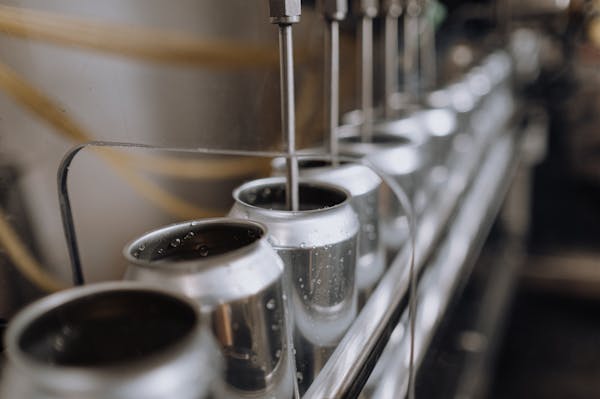
    Beverage Manufacturing in Aluminium Cans

    Aluminium cans have become the preferred choice for many modern beverage categories.

    From energy drinks and sparkling water to ready-to-drink mocktails and craft beverages, cans have gained significant popularity over the last decade.

    Advantages of Can Filling

    1. Excellent Product Protection – One of the biggest advantages of aluminium cans is their ability to protect beverages from light and oxygen.

    Exposure to sunlight can gradually affect flavour, colour, and freshness.

    Since cans are completely opaque, they help preserve product quality throughout the product’s shelf life.

    2. Modern Premium Perception – Consumers increasingly associate cans with modern, premium beverages.

    Many successful brands across categories such as:

    a. Energy Drinks
    b. Functional Beverages
    c. Craft Sodas
    d. Ready-to-Drink Cocktails
    e. Sparkling Water

    have embraced cans because they feel contemporary and aspirational.

    3. Faster Chilling – Aluminium conducts temperature much faster than glass or PET.

    That means beverages cool more quickly, making them particularly suitable for products consumed cold.

    4. Lightweight for Transportation – Compared to glass bottles, cans are lighter to transport.

    Lower transportation weight can improve logistics efficiency, especially for brands distributing products across multiple cities.

    5. 360° Branding Opportunity – Unlike bottles, cans provide uninterrupted printable surface area.

    This allows brands to create bold packaging designs with strong shelf visibility.

    Limitations of Can Filling

    Like every packaging format, cans also have certain considerations.

    • Consumers cannot see the beverage inside.
    • Once opened, cans are generally not resealable.
    • Premium printing and packaging decisions should be carefully planned during product development.

    Beverage Manufacturing in Glass Bottles

    Bottles remain one of the most versatile packaging formats in the beverage industry.

    They continue to dominate categories ranging from juices and flavoured milk to traditional beverages, mineral water, syrups, and carbonated soft drinks.

    Depending on the product, brands can choose between PET bottles or glass bottles.

    Advantages of Bottle Filling

    1. Consumers Can See the Product – For beverages where appearance is a selling point, bottles offer a clear advantage.

    Products such as:

    • Fruit beverages
    • Cold coffee
    • Kombucha
    • Infused water
    • Colourful drinks

    benefit from allowing consumers to see the liquid before purchasing.

    2. Resealable Convenience – Unlike cans, bottles can usually be opened and closed multiple times.

    This makes them ideal for beverages consumed over a longer period rather than in a single sitting.

    3. Multiple Size Options – Bottle filling offers tremendous flexibility.

    Brands can introduce products in:

    • 200 ml
    • 300 ml
    • 500 ml
    • 750 ml
    • 1 litre
    • Family packs

    depending on consumer usage occasions.

    4. Familiar Consumer Behaviour – Many beverage categories have traditionally been sold in bottles.

    Consumers naturally expect products like juices, flavoured milk, packaged water, and syrups to be available in bottle formats.

    Matching consumer expectations often improves purchase confidence.

    Limitations of Bottle Filling

    Bottle packaging also comes with trade-offs. Primary ones being that glass bottles are:

    • Heavier
    • Increase transportation costs
    • Require greater care during logistics

    On the other hand, options like PET bottles present following challenges:

    • May offer less premium perception in certain categories
    • Can be more susceptible to temperature exposure depending on the application

    These factors should be evaluated based on the product category and target market.

    Which Beverage Categories Are Best Suited for Cans?

    While there are always exceptions, cans are commonly preferred for products such as:

    • Energy Drinks
    • Functional Beverages
    • Sparkling Drinks
    • Carbonated Soft Drinks
    • Premium Sodas
    • Craft Beverages
    • Ready-to-Drink Mocktails
    • Zero Sugar Carbonated Drinks

    These categories often benefit from the modern image and portability that cans provide.

    Which Beverage Categories Are Better Suited to Bottles?

    Bottles continue to perform exceptionally well for:

    • Non-alcoholic beers
    • Fruit Juices
    • Still Beverages
    • Flavoured Water
    • Traditional Indian Drinks
    • Family Consumption Packs

    Their resealability and product visibility make them suitable for beverages that are consumed over time or shared.

    Factors to Consider Before Choosing Can or Bottle Filling

    Rather than asking which packaging format is better, founders should ask which packaging format is better for their product.

    Some important questions include:

    1. What type of beverage are you launching?

    Carbonated beverages often pair well with cans, while still beverages may be equally effective in bottles.

    2. Who is your target audience?

    Young, urban consumers may gravitate towards sleek cans for on-the-go consumption, while families may prefer larger bottle formats for convenience.

    3. Where will the product be sold?

    Products designed for quick commerce, cafés, modern retail, or events may have different packaging needs than those sold through traditional retail or wholesale channels.

    4. What brand image are you trying to create?

    Packaging plays a major role in shaping consumer perception. A premium functional drink may benefit from a slim can, while a nostalgic traditional beverage may feel more authentic in a glass bottle.

    5. What is your budget and production strategy?

    Packaging choice can influence manufacturing, logistics, storage, and overall project economics. Evaluating these factors early helps avoid costly changes later.

    There Is No One-Size-Fits-All Answer

    It’s tempting to think of this as a competition between cans and bottles.

    In reality, both packaging formats have earned their place because they solve different problems.

    A can is not automatically better than a bottle.

    Likewise, a bottle is not an outdated alternative to a can.

    The right choice depends on:

    • The beverage category
    • Product formulation
    • Consumption occasion
    • Target audience
    • Brand positioning
    • Distribution strategy
    • Commercial objectives

    The most successful beverage brands choose packaging that complements the product, rather than forcing the product to fit the packaging.

    Why Many Beverage Startups Begin with One Flavor

    Launching with a single product allows founders to validate several important assumptions.

    You learn:

    1. Will consumers buy your product?
    2. Which distribution channels perform best?
    3. What pricing works?
    4. How quickly does inventory move?
    5. Which marketing messages resonate?

    These insights become incredibly valuable before investing in additional flavors.

    Instead of guessing what consumers want, you let the market tell you.

    Once your first SKU gains traction, expansion becomes a strategic decision rather than a gamble.

    Choosing the Right Manufacturing Partner

    Packaging decisions are best made during the product development stage, not after the formulation is finalised.

    An experienced manufacturing partner can help evaluate factors such as product compatibility, filling technology, shelf-life requirements, logistics, and consumer expectations before production begins.

    At Adhar Beverages, we offer both can filling and bottle filling solutions as part of our private label manufacturing and contract manufacturing services. Whether you’re launching an energy drink in sleek aluminium cans, a traditional beverage in glass bottles, or a refreshing fruit drink in PET bottles, our team works with you to recommend the packaging format that best aligns with your product and business goals.

    Because the best packaging decision isn’t about following trends.

    It’s about choosing the format that gives your beverage the best chance to succeed.

    The A to Z of Contract Manufacturing of Beverages

    Commonly Asked Questions

    Neither is universally better. The right choice depends on the beverage type, target audience, distribution strategy, and brand positioning.

    Yes. Experienced private label beverage manufacturers like Adhar Beverages offer multiple packaging formats and can help determine the best option based on your product. Connect for a consultation.

    Energy drinks, sparkling beverages, functional drinks, premium sodas, ready-to-drink mocktails, and carbonated soft drinks are often packaged in aluminium cans.

    Fruit juices, flavoured water, cold coffee, traditional drinks, syrups, and larger family packs are commonly packaged in bottles.

  • Should You Launch One Beverage Flavor or Multiple SKUs?

    Every first-time beverage founder eventually reaches the same crossroads.

    “Should I launch with one flavor or multiple?”

    On paper, launching five exciting flavors seems like the smarter decision. More variety means more customers, better shelf presence, and a wider product portfolio.

    But the reality of building a beverage brand is very different.

    Every additional SKU (Stock Keeping Unit) increases manufacturing complexity, inventory costs, quality control requirements, marketing efforts, and working capital.

    In fact, many successful beverage brands began with a single hero product before expanding into multiple variants.

    If you’re planning to launch your own beverage brand in India, choosing the right number of SKUs can significantly influence your launch costs, operational efficiency, and long-term growth.

    In this guide, we’ll explore the advantages and disadvantages of launching with one flavor versus multiple SKUs, helping you make a more informed business decision.

    What Is an SKU?

    Before discussing launch strategies, it’s important to understand what an SKU actually is.

    An SKU, or Stock Keeping Unit, refers to each unique product variation that your business sells. For example:

    1. Classic Cola (250 ml Can)
    2. Lemon Cola (250 ml Can)
    3. Orange Soda (250 ml Can)

    Although these products belong to the same brand, each one represents a separate SKU because they differ in flavor.

    If you introduce the same flavors in glass bottles, PET bottles, and cans, each packaging format creates another SKU.

    This means a simple three-flavor launch can quickly become nine or more separate products to manufacture, stock, market, and distribute.

    The Appeal of Launching Multiple Flavors

    Many entrepreneurs naturally gravitate towards launching multiple flavors.

    The reasoning seems logical.

    More flavors should attract more customers.

    Consumers have different preferences, so offering variety appears to increase the chances of purchase.

    Multiple products can also make a brand appear larger and more established.

    Retail shelves often look more attractive when several variants are displayed together.

    For these reasons, launching with three to five flavors feels like an exciting way to make a strong first impression.

    However, there are several operational realities that founders often overlook.

    Every New Flavor Multiplies Complexity

    Launching a beverage is much more than creating a recipe.

    Each SKU requires:

    1. Separate formulation
    2. Ingredient sourcing
    3. Stability testing
    4. Packaging artwork
    5. Inventory planning
    6. Production scheduling
    7. Quality checks
    8. Sales forecasting

    Now imagine repeating this process for five different products.

    Instead of solving one manufacturing challenge, you’ve created five.

    Even if you work with experienced private label beverage manufacturers, every additional SKU requires additional planning, approvals, and production coordination.

    The complexity grows exponentially.

    Inventory Becomes Harder to Manage

    Inventory is one of the biggest hidden costs for beverage startups.

    Suppose you launch five flavors.

    Now you must forecast demand for each individual SKU.

    What happens if:

    1. Mango sells out?
    2. Jeera Soda moves slowly?
    3. Lemon remains unsold?
    4. Cola becomes your bestseller?

    Instead of managing one inventory pipeline, you’re now managing five separate businesses under one brand.

    Poor inventory planning can tie up valuable capital in products that move slowly while your best-selling SKU goes out of stock.

    Marketing Becomes More Expensive

    Launching multiple flavors doesn’t just increase manufacturing costs.

    It also increases marketing complexity.

    Every flavor requires:

    1. Product photography
    2. Packaging renders
    3. Social media creatives
    4. Product descriptions
    5. Sales presentations
    6. Distributor education
    7. Retail communication

    Your advertising budget also gets divided across multiple products.

    Instead of concentrating all your marketing efforts behind one hero product, you spread your resources across several campaigns.

    For a startup with limited budgets, focus often delivers better results than variety.

    One Hero Product Creates Stronger Brand Recall

    Many successful beverage brands became famous because of one signature product.

    Think about how consumers associate certain brands with one iconic beverage before the company expands into multiple variants.

    A hero product helps create:

    1. Clear positioning
    2. Easier storytelling
    3. Better recall
    4. Simpler marketing
    5. Faster word-of-mouth

    Instead of asking consumers to choose between five products, you’re asking them to remember one.

    That simplicity can be a competitive advantage.

    When Launching Multiple SKUs Makes Sense

    This doesn’t mean launching several flavors is always the wrong decision.

    There are situations where multiple SKUs make strategic sense.

    For example:

    1. You already understand your target market

    2. If you’ve tested your products through sampling, pop-ups, or pilot launches, you may have confidence that demand exists for multiple flavors.

    3. You’re entering modern retail

    4. Retail chains often prefer brands with a broader portfolio because it increases shelf visibility.

    5. You’re targeting different consumer occasions

    For example:

    a. Classic Cola for everyday refreshment
    b. Cranberry Sparkling Drink for premium occasions
    c. Energy Drink for fitness consumers

    Each SKU serves a different purpose rather than competing with one another.

    Why Many Beverage Startups Begin with One Flavor

    Launching with a single product allows founders to validate several important assumptions.

    You learn:

    1. Will consumers buy your product?
    2. Which distribution channels perform best?
    3. What pricing works?
    4. How quickly does inventory move?
    5. Which marketing messages resonate?

    These insights become incredibly valuable before investing in additional flavors.

    Instead of guessing what consumers want, you let the market tell you.

    Once your first SKU gains traction, expansion becomes a strategic decision rather than a gamble.

    Think Like a Startup, Not a Large FMCG Company

    Large beverage companies can launch dozens of products because they have:

    1. Massive production capacity
    2. National distribution
    3. Dedicated sales teams
    4. Significant marketing budgets
    5. Years of consumer data

    Startups operate differently.

    Their biggest advantage is agility.

    Rather than trying to compete on variety, founders should compete on focus.

    Launching one exceptional product often creates stronger momentum than launching several average ones.

    Scaling Is Easier Than Simplifying

    Many founders assume it’s easier to launch big and reduce later.

    The opposite is usually true.

    Removing products from the market can confuse distributors, disappoint customers, and create excess inventory.

    Expanding after proving market demand is a much healthier growth strategy.

    Start simple. Scale intelligently.

    The Role of Contract Manufacturing

    One of the biggest advantages of working with experienced contract manufacturing companies is flexibility.

    An experienced manufacturing partner can help founders:

    1. Develop scalable formulations
    2. Plan future flavor extensions
    3. Manage production efficiently
    4. Reduce operational complexity
    5. Introduce new SKUs as demand grows

    Instead of committing to a large product portfolio from day one, founders can build a roadmap for gradual expansion.

    This minimizes risk while preserving future growth opportunities.

    There’s no 1 Right Way to Launch

    There is no universal rule for how many beverage flavors a startup should launch.

    The right answer depends on your market research, budget, distribution strategy, and long-term vision.

    However, for most first-time founders, launching with one strong hero product offers several advantages.

    It simplifies operations, reduces costs, sharpens your marketing, and gives you valuable customer feedback before expanding your portfolio.

    Growth is not about launching the most products.

    It’s about launching the right product.

    As your brand gains traction, new flavors can become natural extensions of a successful business rather than expensive experiments.

    How A Dependable Private Label Manufacturer Can Help

    Launching a beverage brand involves much more than choosing flavors.

    From beverage formulation and product development to packaging selection and scalable production, every decision shapes your brand’s success.

    At Adhar Beverages, we partner with entrepreneurs through every stage of the journey. As a trusted beverage manufacturing company in India, we offer private label manufacturing and contract manufacturing of beverages across a wide range of categories, including carbonated drinks, functional beverages, energy drinks, mocktails, low-sugar beverages, and more.

    Whether you’re launching your first hero SKU or planning a complete product portfolio, our team helps transform your beverage idea into a market-ready product.

    The A to Z of Contract Manufacturing of Beverages

    Commonly Asked Questions

    For many first-time founders, launching with one flavor reduces complexity, lowers costs, and helps validate market demand before expanding into additional SKUs.

    An SKU (Stock Keeping Unit) is a unique product variation. Different flavors, sizes, or packaging formats are all considered separate SKUs.

    Once a hero product has established market demand and consistent sales, introducing additional flavors becomes a lower-risk growth strategy.

    Yes. Experienced private label beverage manufacturers can develop and scale multiple beverage formulations while helping founders manage production and expansion efficiently.

  • Why Canned Kokum, Jeera Soda & Aam Panna Drinks Are Big Business Opportunities

    For decades, India’s beverage market followed a predictable formula.

    A handful of global giants dominated consumer preference.

    Walk into almost any store, restaurant, or supermarket and the choices largely looked the same.

    Consumers were choosing between:

    • Cola beverages
    • Lemon sodas
    • Packaged juices
    • Carbonated soft drinks
    • Standardized mass-market products

    For years, the assumption was simple – If you wanted to build a successful beverage brand, you had to compete with global FMCG giants and build products designed for mass appeal.

    But quietly, something interesting has begun changing.

    Across India, more founders are beginning to realize that the biggest beverage opportunities may not lie in creating another cola, another generic soda, or another imitation energy drink.

    Instead, the opportunity may already exist in flavors India has loved for generations.

    Drinks such as Kokum Soda, Jeera Masala Soda, Aam Panna, Nannari, Jaljeera, and regional Indian refreshment beverages are increasingly emerging as serious business opportunities.

    And for entrepreneurs looking to build the next generation of beverage brands, this shift presents enormous potential.

    India’s Beverage Future May Taste More Local Than Global

    For years, large beverage companies built products around one simple idea – Mass appeal.

    The goal was simple:

    Build one beverage and sell it to everyone.

    This approach created decades of dominance for standardized beverages.

    But consumer preferences are changing.

    Modern consumers increasingly look for products that feel:

    • Authentic
    • Nostalgic
    • Culturally familiar
    • Rooted in Indian flavors
    • Less artificial
      differentiated from mainstream beverages

    This is creating an important shift.

    Consumers are no longer simply choosing beverages based on familiarity.

    Increasingly, they are looking for products with identity.

    And India’s regional flavors naturally fit this trend.

    Why Founders Are Looking Beyond Traditional Cola Brands

    Historically, many beverage entrepreneurs believed success meant building:

    • Another cola brand
    • Another packaged juice brand
    • Another energy drink
    • Another generic carbonated beverage

    But competing directly with established FMCG giants creates enormous challenges.

    Large companies dominate:

    • Distribution networks
    • Retail relationships
    • Advertising budgets
    • Shelf visibility
    • Pricing power

    New founders increasingly understand something important.

    You do not need to compete directly with global beverage companies.

    Sometimes the smarter opportunity is building products large companies do not understand deeply.

    This is exactly where regional Indian beverages become extremely interesting.

    India Already Has Hundreds Of Beverage Ideas Hiding In Plain Sight

    One of India’s biggest advantages is something many entrepreneurs overlook.

    The country already has a rich culture of traditional beverages with deep consumer familiarity.

    Many of these products already have built-in demand.

    They simply have not yet been modernized effectively.

    Some examples include:

    1. Kokum Soda (Maharashtra & Goa): Traditionally associated with digestive benefits and summer refreshment, Kokum beverages offer strong premium positioning potential and natural Western India familiarity.

    2. Jeera Masala Soda & Jaljeera (North India): Massively familiar flavors with broad consumer acceptance. Perfect for brands looking to create modern packaged alternatives with wide distribution potential.

    3. Aam Panna (Rajasthan, Gujarat, North India): A beverage deeply connected with Indian summers. Strong nostalgic appeal combined with obvious seasonal and retail opportunity.

    4. Nannari Sharbat (Tamil Nadu & South India): A lesser-known but highly differentiated beverage opportunity with strong South Indian cultural relevance and interesting expansion potential nationally.

    5. Ginger & Herbal Functional Drinks (Pan-India): Traditional Indian ingredients increasingly align with modern consumer interest in functional beverages, digestive health, and wellness-focused drinks.

    In many ways: India already has the product ideas. It simply needs founders willing to package them better.

    Consumers Increasingly Want Familiarity Over Artificiality

    One of the biggest shifts happening globally is the movement toward more authentic products.

    Consumers increasingly want beverages that feel:

    • Natural
    • Ingredient-driven
    • Culturally familiar
    • Healthier
    • Less synthetic
    • Rooted in tradition

    This is one reason categories such as:

    • Low sugar beverages
    • Functional drinks
    • Prebiotic beverages
    • Wellness drinks
    • Ingredient-led beverages

    are growing rapidly.

    Regional Indian beverages naturally fit into this movement.

    Products like Jeera Soda or Kokum drinks already feel familiar and trustworthy to consumers in ways highly artificial beverages often do not.

    Big FMCG Companies Often Struggle With Regional Beverage Innovation

    Large beverage companies are incredibly good at scaling products.

    But they often struggle with regional nuance.

    Why?

    Because large FMCG companies optimize for:

    • National consistency
    • Standardized flavors
    • Mass production
    • Broad market appeal

    Regional beverage products often require something different.

    They require:

    • Cultural understanding
    • Taste nuance
      regional identity
    • Storytelling
      authenticity

    Smaller founders often understand this much better.

    And that creates whitespace.

    In many ways, local beverage brands can build stronger emotional connection than standardized global products.

    Contract Manufacturing Has Made Beverage Entrepreneurship Easier Than Ever

    Historically, even if founders had great beverage ideas, manufacturing remained a huge obstacle.

    Launching beverages traditionally required:

    • Factory infrastructure
    • Formulation expertise
    • Sourcing
    • Packaging
    • Procurement
    • Production systems
    • Quality testing
    • Compliance
    • Management

    Today, this barrier has largely disappeared.

    Through private label beverage manufacturers and contract manufacturing companies in India, entrepreneurs can build serious beverage brands without owning manufacturing facilities themselves.

    This changes everything.

    A founder with a great beverage idea can now focus on:

    • Branding
    • Product positioning
    • Distribution
    • Retail partnerships
    • Customer acquisition

    … while manufacturing is handled by specialists.

    In many ways, contract manufacturing of beverages has democratised beverage entrepreneurship.

    The Best Time To Build Is Before Markets Become Crowded

    The biggest opportunities often exist before categories become saturated.

    Many of India’s largest new-age consumer brands succeeded because they entered categories early.

    The same opportunity now exists in beverages, when it comes to tapping on regional drinks from these individual markets.

    The entrepreneurs who move early will likely have the strongest advantage.

    Waiting often means entering crowded markets later.

    For founders exploring consumer businesses, 2026 presents a rare combination of favourable conditions.

    • Manufacturing is easier.
    • Distribution is easier.
    • Marketing is cheaper.
    • Consumer demand is rising.

    The ecosystem is finally ready.

    Why The Right Manufacturing Partner Matters

    Building a successful beverage brand requires more than simply having a product idea.

    It requires expertise across:

    • Beverage formulation
    • Ingredient sourcing
    • Packaging development
    • Product stability
    • Scalable production
    • Quality control
    • Manufacturing systems

    At Adhar Beverages, we help brands launch modern beverage products through private label manufacturing and contract manufacturing of beverages in India.

    From regional beverages, energy drinks, functional beverages, colas, mocktails, low sugar drinks, and premium canned beverages to formulation, sourcing, packaging, and scalable production support, we help founders bring new beverage ideas to market faster.

    As one of the growing names among private label beverage manufacturers and contract manufacturing companies in India, we help entrepreneurs focus on building brands while we focus on manufacturing excellence.

    Because sometimes the biggest business opportunities are not hidden in something new.

    They are hidden in products people have loved for generations.

    The A to Z of Contract Manufacturing of Beverages

    Commonly Asked Questions

    Yes. Consumers increasingly prefer authentic, nostalgic, culturally familiar beverages over standardized mass-market products.

    Kokum Soda, Jeera Soda, Jaljeera, Aam Panna, Nannari, Shikanji, and herbal functional beverages all show strong commercial potential.

    Yes. Through private label beverage manufacturers and contract manufacturing companies, startups can launch beverage brands without building production infrastructure.

    Regional beverages often carry stronger cultural familiarity, emotional connection, authenticity, and differentiated positioning.

  • Why 2026 Is The Best Time To Launch A Beverage Brand

    For decades, launching a consumer beverage brand was extremely difficult.

    If you wanted to build the next big soft drink, energy drink, or packaged beverage company, you needed enormous resources.

    You needed:

    • Your own manufacturing facility
    • Expensive production infrastructure
    • Packaging suppliers
    • Large minimum order quantities
    • Retail distribution networks
    • Warehousing and logistics systems
    • Expensive marketing budgets
    • Access to national supply chains

    In simple terms:

    Building a beverage brand was something only large companies could realistically do.

    But over the last few years, something remarkable has happened.

    The entire ecosystem required to build beverage brands has become dramatically more accessible.

    For the first time in history, entrepreneurs can build serious beverage businesses without owning factories, without massive capital investment, and without relying on traditional FMCG playbooks.

    Which is why one thing has become increasingly clear:

    2026 may be the best time ever to launch a beverage brand.

    Barrier #1: You No Longer Need To Build Your Own Factory

    Historically, manufacturing was the biggest obstacle for anyone entering the beverage industry.

    Launching a beverage product meant investing heavily in:

    • Machinery
    • Production
    • Infrastructure
    • Ingredient sourcing
    • Compliance systems
    • Quality control
    • Packaging
    • Procurement
    • Production expertise

    For most entrepreneurs, this made entry nearly impossible.

    Today, that problem has largely disappeared.

    Through private label beverage manufacturers and contract manufacturing companies in India, founders can launch beverage brands without owning manufacturing infrastructure themselves.

    Companies specialising in contract manufacturing of beverages now handle:

    • Beverage formulation
    • Product development
    • Sourcing
    • Can filling
    • Packaging
    • Compliance
    • Scalable production

    This means entrepreneurs can focus on building brands while manufacturing is handled by specialists.

    The biggest barrier has effectively been removed.

    Barrier #2: Distribution Has Never Been More Democratised

    Historically, distribution determined everything.

    If you could not get shelf space inside supermarkets, retail stores, or distributor networks, scaling a beverage brand was incredibly difficult.

    That reality is changing rapidly.

    Platforms such as:

    • Zepto
    • Swiggy Instamart
    • Blinkit
    • Modern e-commerce marketplaces
    • D2C websites
    • Food delivery ecosystems

    … have fundamentally changed market access.

    Today, young FMCG brands no longer need national retail presence from day one.

    They can:

    • Launch digitally first
    • Test regional demand
    • Build communities online
    • Validate products faster
    • Scale market-by-market instead of nationally

    In many ways, access to consumers has never been easier.

    Distribution is no longer controlled entirely by legacy FMCG giants.

    Barrier #3: Building Brands Has Become Significantly Cheaper

    A decade ago, building a consumer brand required enormous marketing budgets.

    Brands depended heavily on:

    • Television advertising
    • Print media
    • Expensive agency retainers
    • Large production budgets
    • Expensive packaging development
    • Traditional retail marketing

    Today, the economics of brand-building have completely changed.

    Modern founders now have access to:

    • AI-powered design tools
    • Affordable content creation
    • Performance marketing platforms
    • Freelance creator ecosystems
    • Brand consultants
    • Specialised growth agencies built specifically for emerging consumer brands

    Even packaging development, once an expensive process, has become far more accessible thanks to modern design systems, AI-assisted workflows, and specialised packaging partners.

    A founder today can build a premium-looking beverage brand at a fraction of what it cost even five years ago.

    The cost of building a brand has collapsed dramatically.

    The Rise of Specialist Partners Has Changed Everything

    Perhaps the biggest shift in entrepreneurship today is this:

    You no longer need to do everything yourself.

    An entrepreneur building a beverage brand can now work with specialised partners across every stage of growth.

    For example:

    • A manufacturing partner handles production.
    • A packaging partner helps product development.
    • A marketing agency helps positioning and growth.
    • A logistics partner handles fulfilment.

    A quick-commerce platform handles distribution.

    This modular ecosystem allows founders to move significantly faster.

    Young brands can now operate with capabilities that were once only available to large FMCG companies.

    Beverage Trends Have Never Been More Exciting

    At the same time, consumer preferences are changing rapidly.

    India’s beverage market is seeing enormous growth across emerging categories such as:

    • Energy drinks
    • Low sugar beverages
    • Premium colas
    • Functional sports drinks
    • Canned mocktails
    • Sparkling beverages
    • Non-alcoholic beers
    • Prebiotic drinks
    • Wellness beverages

    Unlike previous generations, consumers today actively seek new beverage experiences.

    This creates enormous whitespace for entrepreneurs willing to move early.

    The next successful beverage brand may not compete directly with legacy cola companies.

    It may create an entirely new category.

    The FMCG Playbook Has Changed Forever

    Historically, large companies had unfair advantages.

    They controlled:

    • Manufacturing
    • Retail distribution
    • Advertising budgets
    • Supply chain
    • Infrastructure
    • Customer reach

    Today, those advantages are shrinking.

    A founder with the right idea can now:

    • Manufacture efficiently
    • Launch digitally
    • Market affordably
    • Scale gradually
    • Build communities directly

    In many ways, consumer brand building has become far more meritocratic.

    Execution matters more than size.

    This is one of the biggest reasons we are likely to see hundreds of new beverage brands emerge over the next few years.

    The Best Time To Build Is Before Markets Become Crowded

    The biggest opportunities often exist before categories become saturated.

    Many of India’s largest new-age consumer brands succeeded because they entered categories early.

    The same opportunity now exists in beverages.

    The entrepreneurs who move early will likely have the strongest advantage.

    Waiting often means entering crowded markets later.

    For founders exploring consumer businesses, 2026 presents a rare combination of favourable conditions.

    • Manufacturing is easier.
    • Distribution is easier.
    • Marketing is cheaper.
    • Consumer demand is rising.

    The ecosystem is finally ready.

    Why The Right Manufacturing Partner Matters

    Even though launching beverage brands has become easier, manufacturing expertise still remains critical.

    Building successful beverages requires expertise across:

    • Beverage formulation
    • Ingredient sourcing
    • Packaging strategy
    • Quality control
    • Regulatory compliance
    • Scalable production systems
    • Product development

    At Adhar Beverages, we help brands launch modern beverage products through private label manufacturing and contract manufacturing of beverages in India.

    From energy drinks, functional beverages, mocktails, low sugar beverages, premium canned beverages, and new-age beverage development to sourcing, formulation, packaging, and scalable production support, we help entrepreneurs focus on building brands while we focus on manufacturing excellence.

    As one of the growing names among private label beverage manufacturers and contract manufacturing companies in India, we help businesses move faster from product concept to market launch.

    And in a world where building brands has never been more accessible, the biggest question is no longer:

    Can I build a beverage brand?

    The real question is:

    Why haven’t you started yet?

    The A to Z of Contract Manufacturing of Beverages

    Commonly Asked Questions

    Yes. Through private label beverage manufacturers and contract manufacturing companies, entrepreneurs can launch beverages without owning production facilities.

    Compared to a decade ago, launching a beverage brand has become significantly more affordable due to contract manufacturing, digital marketing, and modern distribution platforms.

    Yes. Platforms like quick-commerce apps, e-commerce marketplaces, and D2C websites allow brands to reach customers without traditional retail dependency.

    Energy drinks, functional beverages, low sugar beverages, prebiotic drinks, premium sodas, canned beverages, and wellness-focused drinks are among the fastest-growing categories.

  • Why India’s Next Big Beverage Brand Will Come From Smaller Cities

    For decades, India’s biggest consumer brands followed a familiar playbook.

    Build in metros. Sell in metros.

    Market aggressively in cities like Mumbai, Delhi, Bangalore, Pune, and Hyderabad.

    The assumption was simple: Big businesses are built in big cities.

    But India is changing.

    And quietly, one of the biggest entrepreneurial opportunities in the beverage industry is beginning to emerge far away from traditional startup hubs.

    The next major beverage brand in India may not come from Mumbai or Bangalore.

    It may come from cities like:

    • Indore
    • Surat
    • Jaipur
    • Bhopal
    • Udaipur
    • Lucknow
    • Rajkot
    • Nagpur
    • Jodhpur
    • Varanasi

    Across India, Tier 2 and Tier 3 cities are becoming powerful consumption markets, entrepreneurial hubs, and untapped opportunities for new beverage brands.

    More importantly, thanks to private label manufacturing and contract manufacturing of beverages, entrepreneurs no longer need to own factories or large manufacturing infrastructure to build serious beverage businesses.

    This is fundamentally changing how beverage brands are built in India.

    India’s Next Wave of Consumption Growth Is No Longer Limited To Metros

    For years, premium packaged beverages remained concentrated in large urban centres.

    But over the last few years, smaller Indian cities have undergone enormous change.

    Several factors are driving this transformation:

    • Rising disposable
    • Incomes
    • Growing internet penetration
    • Rapid quick-commerce expansion
    • Stronger retail infrastructure
    • Social media driven consumption behaviour
    • Increasing aspiration-led purchasing decisions
    • Higher exposure to global consumer trends

    Consumers in Tier 2 and Tier 3 cities today are adopting lifestyle trends much faster than ever before.

    This includes beverage consumption.

    Categories such as:

    • Energy drinks
    • Premium canned beverages
    • Sparkling drinks
    • Low sugar beverages
    • Functional wellness drinks
    • Premium colas
    • Canned mocktails

    … are increasingly finding demand far beyond traditional metro markets.

    The opportunity is enormous.

    The Biggest Advantage Smaller City Founders Have Today

    Historically, one of the biggest barriers to building beverage companies was manufacturing.

    Launching a beverage brand traditionally required:

    • Factory infrastructure
    • Machinery investment
    • Product development
    • Packaging sourcing
    • Formulation expertise
    • Compliance systems
    • Production scale

    This meant only large businesses or heavily funded companies could realistically enter the market.

    That reality has changed completely.

    Today, entrepreneurs can build beverage brands through private label beverage manufacturers and contract manufacturing companies in India without owning any manufacturing infrastructure themselves.

    This changes everything.

    A founder sitting in Rajasthan, Madhya Pradesh, Gujarat, Uttar Pradesh, or any emerging Indian city can now launch a beverage brand as easily as someone sitting in Mumbai.

    The barrier to entry has dramatically reduced.

    Contract Manufacturing Has Made Beverage Entrepreneurship More Accessible Than Ever

    This is one of the biggest shifts happening in India’s beverage ecosystem.

    Instead of building expensive factories, founders now work with experienced contract manufacturing partners who handle:

    • Beverage formulation
    • Product development
    • Sourcing
    • Can filling
    • Quality control
    • Packaging
    • Scalable production

    This allows entrepreneurs to focus entirely on:

    • Branding
    • Distribution
    • Market development
      sales
    • Retail partnerships
    • Customer acquisition

    In many ways, contract manufacturing of beverages has democratised beverage entrepreneurship in India.

    It has made it possible for more founders to build serious consumer brands.

    Why Smaller Cities Are Untapped Gold Mines For Beverage Brands

    Large beverage companies often focus heavily on metro markets.

    This creates whitespace in emerging cities.

    Consumers in smaller cities today increasingly want access to products traditionally associated with urban lifestyles.

    This includes:

    • Premium packaged beverages
    • Energy drinks
    • Functional beverages
    • Lifestyle-driven products
    • Healthier alternatives
    • Premium can packaging

    Unlike heavily crowded metro markets, smaller cities often offer:

    • Lower competition
    • Stronger customer loyalty
    • Faster word-of-mouth growth
    • Easier regional
    • Distribution networks
    • Stronger brand stickiness

    For founders entering early, this can become a massive competitive advantage.

    The Next Beverage Winners Will Understand Aspirational Consumption

    One of the biggest changes happening across India is aspiration-driven purchasing.

    Consumers increasingly buy products not simply for utility.

    They buy products that represent:

    • Lifestyle
    • Identity
    • Premium perception
    • Social signalling
      modernity

    This is exactly why categories such as:

    • Energy drinks
    • Premium colas
    • Functional beverages
    • Low sugar drinks
    • Canned beverages

    … are seeing strong demand growth outside metro cities as well.

    The modern Indian consumer now exists everywhere.

    Not just in metros.

    Real Businesses Are Already Proving This Model Works

    One of the biggest myths in Indian entrepreneurship is that successful brands can only emerge from traditional startup ecosystems.

    Reality says otherwise.

    The people behind Adhar’s journey represent this shift perfectly.

    Its founders originally came from places like Jalor in Rajasthan and Varanasi in Uttar Pradesh, long before building a robust beverage manufacturing business in Navi Mumbai.

    Their journey reflects something important.

    Entrepreneurial ambition in India has never been limited by geography.

    In fact, businesses built by ambitious founders from smaller cities are increasingly becoming some of the country’s strongest growth stories.

    The rise of new-age beverage brands across India is likely to follow the same pattern.

    The next major beverage success story may very well begin in places most investors and large companies continue to overlook.

    Which Beverage Categories Present The Biggest Opportunity?

    For entrepreneurs entering the beverage industry today, several categories present enormous opportunity.

    These include:

    • Energy Drinks – One of India’s fastest-growing beverage categories, particularly among younger consumers.

    • Low & No-Sugar Beverages – Growing health awareness is rapidly changing consumer behaviour.

    • Affordable Premium Colas – Mass appeal with strong regional distribution potential.

    • Functional Sports Drinks – Fitness culture is rapidly expanding beyond metros.

    • Prebiotic and Wellness Drinks – Global beverage trends are beginning to influence Indian consumers.

    • Premium Canned Beverages – Aluminium cans increasingly signal premium product positioning.

    The founders who identify these trends early will have the strongest advantage.

    Why The Right Manufacturing Partner Matters

    The biggest opportunity may exist in emerging markets.

    But execution still matters.

    Launching a beverage brand requires expertise across:

    • Beverage formulation
    • Packaging strategy
    • Product development
    • Canning infrastructure
    • Ingredient sourcing
    • Scalable production
    • Regulatory compliance
    • Quality control systems

    At Adhar Beverages, we work with businesses looking to build modern beverage brands through private label manufacturing and contract manufacturing of beverages in India.

    From energy drinks, functional beverages, mocktails, colas, low sugar beverages, and premium canned beverages to formulation, sourcing, packaging, and scalable production support, we help entrepreneurs bring beverage ideas to market faster.

    As one of the growing names among private label beverage manufacturers and contract manufacturing companies in India, we help founders focus on building brands while we focus on manufacturing excellence.

    Because increasingly, the next big consumer brand in India may not come from the biggest city.

    It may come from the founder who spots the opportunity first.

    The A to Z of Contract Manufacturing of Beverages

    Commonly Asked Questions

    Yes. Through private label beverage manufacturers and contract manufacturing companies, entrepreneurs can launch beverages without building manufacturing infrastructure.

    Rising incomes, digital penetration, modern retail growth, and aspirational purchasing behaviour are rapidly increasing consumer demand.

    Energy drinks, premium sodas, functional beverages, canned drinks, low sugar beverages, and wellness drinks are seeing increasing demand.

    Traditionally yes, but contract manufacturing has significantly lowered the entry barrier for new beverage brands.

  • Why Aluminium Can Beverages Are Rising Fast in India

    India’s beverage industry is undergoing a major transformation.

    Over the last decade, consumers have become significantly more selective not just about what they drink, but increasingly how those beverages are packaged.

    Packaging today is no longer simply functional.

    It influences:

    • Purchase decisions
    • Product perception
    • Shelf appeal
    • Premium positioning
    • Sustainability
    • Perception
    • Ultimately, brand value

    This shift has created one of the biggest changes currently happening in the beverage industry:

    The rapid rise of aluminium canned beverages.

    From energy drinks and sparkling water to functional beverages, mocktails, low sugar sodas, and ready-to-drink products, aluminium cans are increasingly becoming the preferred packaging choice for modern beverage brands.

    For businesses looking to launch beverages through private label manufacturing or contract manufacturing of beverages in India, understanding this shift has become increasingly important.

    Why Aluminium Cans Are Growing Rapidly in India

    Historically, plastic bottles dominated large parts of the Indian beverage market.

    But consumer expectations are changing rapidly.

    Increasingly, premium beverage categories are moving toward aluminium cans because they offer advantages that traditional packaging formats often struggle to match.

    Some of the biggest advantages include:

    • Superior protection against light and oxygen exposure
    • Faster chilling and better cold-drink experience
    • Lighter transportation weight
    • Significantly better sustainability credentials
    • Stronger shelf visibility
    • Modern premium appearance
    • Excellent branding opportunities through printed cans and sleeves

    In simple terms: Consumers increasingly associate aluminium cans with premium beverages.

    This is one reason why many modern beverage categories globally now launch in cans before considering other packaging formats.

    The Premium Packaging Effect: Why Cans Command Higher Perceived Value

    One of the most important shifts happening globally is the relationship between packaging and product pricing.

    Consumers often perceive canned beverages as more premium compared to plastic bottles.

    The same product can often command stronger positioning simply because of packaging choice.

    This is especially true for categories such as:

    • Energy drinks
    • Sparkling water
    • Canned mocktails
    • Premium sodas
    • Functional wellness beverages
    • Sports drinks
      imported-style beverages

    In markets like the United States and Europe, aluminium cans have become strongly associated with premium lifestyle beverage brands.

    As global packaging trends increasingly influence India, this behaviour is becoming more visible here as well.

    For founders and beverage entrepreneurs, this creates an important insight: Packaging is increasingly becoming part of the product itself.

    Energy Drinks and Functional Beverages Are Driving Can Adoption

    One of the biggest drivers of aluminium can growth globally has been the rapid expansion of modern beverage categories.

    Demand is growing rapidly across:

    • Energy drinks
    • Carbonated beverages
    • Sports nutrition beverages
    • Functional wellness drinks
    • Sparkling beverages
    • Low sugar beverages
    • Ready-to-drink premium beverages

    In particular, the 250 ml slim can format has emerged as one of the most attractive packaging options globally.

    Consumers associate slim cans with:

    • Portability
    • Premium positioning
    • Convenience
    • Modern brand aesthetics

    This is especially visible among younger consumers purchasing:

    • Energy drinks
    • Performance beverages
    • Lifestyle beverages
    • Social beverages
    • Fitness-focused drinks

    This trend is now increasingly shaping India’s premium beverage market as well.

    Private Label Manufacturing Has Made Launching Beverage Brands Easier Than Ever

    Traditionally, launching a beverage brand required significant capital investment. Businesses had to manage:

    • Manufacturing
    • Infrastructure
    • Beverage formulation
    • Packaging sourcing
    • Compliance systems
    • Can filling infrastructure
    • Supply chain management

    Today, things look very different.

    Through private label beverage manufacturers and contract manufacturing companies in India, businesses can launch beverages without building their own production facilities.

    Under this model, a manufacturing partner handles:

    • Product development
    • Ingredient sourcing
    • Regulatory compliance
    • Batch production
    • Can filling
    • Packaging
    • Logistics support

    This allows businesses to focus on:

    • Branding
    • Distribution
    • Customer acquisition
    • Retail expansion
    • Product positioning

    This is one reason why private label beverage manufacturing is becoming increasingly popular among startups and modern FMCG brands.

    Printed Cans vs Sleeve Applications: Choosing the Right Packaging Strategy

    As competition increases, packaging design becomes critical.

    For new beverage brands, two common packaging options dominate:

    A. Printed Cans

    Printed cans offer:

    • Strong shelf appeal
    • Premium branding
    • Excellent visual consistency
    • Better brand recall
    • High efficiency for larger production runs

    However, printed can suppliers usually require larger order quantities.

    This makes them ideal for established brands scaling volume.

    B. Shrink Sleeve Applications

    Shrink sleeves offer greater flexibility for newer brands.

    Advantages include:

    • Lower initial investment
    • Faster product launches
    • Easier design changes
    • Better flexibility for seasonal products

    Ideal for pilot runs and smaller launches

    For emerging beverage brands, sleeve applications often allow faster market entry before moving to printed cans at scale.

    Why MOQ Planning Matters in Canned Beverage Manufacturing

    One of the biggest challenges new beverage brands face is understanding Minimum Order Quantity (MOQ).

    MOQ in canned beverage manufacturing is influenced by:

    • Can sourcing
    • Requirements
    • Ingredient procurement
    • Filling line efficiencies
    • Label or sleeve production volumes
    • Logistics economics
    • Production batch optimisation

    A well-planned MOQ strategy helps brands optimise:

    • Production costs
    • Inventory planning
    • Market testing
    • Supply chain management
    • Commercial viability

    For startups, understanding MOQ early can significantly reduce unnecessary costs.

    Supply Chain Matters More in Aluminium Can Manufacturing

    Unlike plastic bottle packaging, aluminium can manufacturing requires tighter supply chain coordination.

    Success often depends on:

    • Can procurement planning
    • Supplier lead times
    • Can and sourcing ingredient availability
    • Filling capacity management
    • Warehousing
    • Transportation
    • Logistics

    Global supply disruptions over the last few years have shown how critical reliable packaging sourcing has become.

    For growing beverage brands, manufacturing partnerships become extremely important.

    Sustainability Is Accelerating Long-Term Can Adoption

    Sustainability is no longer optional.

    Consumers and regulators increasingly expect beverage companies to move toward environmentally responsible packaging solutions.

    Aluminium remains one of the most recyclable packaging materials globally.

    This makes cans highly attractive for brands focused on:

    • Sustainability positioning
    • Premium consumer perception
    • Long-term packaging compliance
    • Environmentally conscious branding

    As sustainability regulations continue evolving globally, can adoption in India is expected to grow significantly.

    Why Beverage Entrepreneurs Should Pay Attention Right Now

    Some of the biggest beverage brands globally have already moved aggressively toward aluminium cans.

    Historically, packaging trends that become mainstream in Western markets eventually shape Indian consumer behaviour as well.

    For entrepreneurs, distributors, retailers, and FMCG brands, this creates an important opportunity.

    The businesses launching premium canned beverages early are likely to benefit from:

    • Stronger brand differentiation
    • Premium pricing power
    • Modern consumer appeal
    • Faster retail acceptance
    • Stronger product positioning

    The future of beverages is not simply about what is inside the product.

    Increasingly, packaging itself is becoming a major part of consumer decision-making.

    Why the Right Beverage Manufacturing Partner Matters

    Launching canned beverages requires expertise that goes far beyond beverage formulation.

    It requires understanding:

    • Can sourcing
    • Packaging economics
    • Product stability
    • Carbonation systems
    • Filling line capabilities
    • Scalable production planning
    • Supply chain coordination

    At Adhar Beverages, we help brands launch modern canned beverage products through private label manufacturing and contract manufacturing of beverages in India.

    With growing expertise in 250 ml aluminium can manufacturing, energy drink manufacturing, functional beverages, low sugar drinks, mocktails, and scalable production systems, we help brands move efficiently from product concept to market launch.

    As one of the growing names among private label beverage manufacturers and contract manufacturing companies in India, we help businesses build products aligned with modern packaging trends and evolving consumer behaviour.

    For beverage brands looking to build premium products, aluminium cans represent one of the biggest opportunities shaping the future of the industry.

    The A to Z of Contract Manufacturing of Beverages

    Commonly Asked Questions

    Aluminium cans offer premium shelf appeal, better product protection, faster chilling, stronger sustainability benefits, and improved branding opportunities.

    Consumers increasingly associate aluminium cans with premium beverage categories such as energy drinks, sparkling beverages, and imported-style products.

    Yes. Private label beverage manufacturers and contract manufacturing companies allow businesses to launch canned beverages without building their own production infrastructure.

    Printed cans are ideal for large production runs and premium branding, while shrink sleeve applications offer flexibility for pilot launches and lower initial investment.

  • Prebiotic Drinks in India: The Next Big Beverage Trend?

    Over the last decade, some of the biggest beverage trends adopted in India have followed a familiar pattern.

    They first gained momentum in Western markets, particularly in the United States and Europe, before eventually finding strong consumer demand in India.

    We have already seen this happen with categories such as:

    • Energy drinks
    • Sparkling water
    • Functional beverages
    • Vitamin drinks
    • Low-sugar beverages
    • Premium canned beverages
    • Non-alcoholic beers

    Today, another category is beginning to follow the same trajectory.

    Prebiotic beverages.

    Globally, prebiotic drinks are emerging as one of the fastest-growing segments in the modern beverage industry. Consumers are increasingly choosing beverages that combine refreshment, wellness benefits, functional ingredients, and healthier formulations, particularly products positioned around gut health and digestive wellness.

    For Indian beverage businesses, this trend represents something important.

    The next big beverage opportunity may already be taking shape.

    For entrepreneurs, FMCG companies, retailers, and beverage brands looking to build future-ready products, understanding this category early could create significant competitive advantage.

    The US Market Is Already Showing Where The Future Is Headed

    One of the strongest indicators of future beverage trends often comes from mature global markets like the United States.

    Over the last few years, brands such as Poppi, Olipop, and Bloom Nutrition have transformed prebiotic beverages from niche wellness products into mainstream lifestyle drinks.

    These brands have built massive demand by positioning prebiotic sodas as:

    • Healthier alternatives to traditional soft drinks
    • Low sugar sparkling beverages
    • Gut-health focused functional drinks
      premium lifestyle beverages with modern branding

    Interestingly, one of the clearest signals of how seriously the beverage industry views this category came when PepsiCo acquired Poppi in a deal reportedly valued at nearly $2 billion.

    Historically, many beverage trends that scale rapidly in Western markets eventually begin influencing product development in India.

    Prebiotic beverages may now be approaching that same inflection point.

    What Are Prebiotic Drinks?

    Prebiotic drinks are beverages formulated with ingredients that help support beneficial bacteria already present in the digestive system.

    Unlike probiotics, which introduce live bacteria into the gut, prebiotics act as nourishment for healthy gut microbes and are commonly associated with digestive wellness and improved gut health.

    Common ingredients used in prebiotic beverages include:

    • Inulin
    • Chicory root fibre
    • Apple cider vinegar
    • Natural fruit fibres
    • Plant-based fibre blends
    • Botanical wellness ingredients

    These ingredients are increasingly being incorporated into:

    • Functional sodas
    • Carbonated wellness drinks
    • Low-sugar beverages
    • Sparkling functional beverages
    • Modern premium canned drinks
    • Health-focused beverage alternatives

    What makes this category particularly exciting is that consumers do not perceive these products as “health drinks.”

    They increasingly see them as:

    • Modern
    • Premium
    • Refreshing
    • Lifestyle-driven
    • Healthier alternatives to traditional soft drinks

    Why Prebiotic Drinks Are Growing So Quickly Worldwide

    The biggest reason behind this category’s growth is simple.

    Consumers increasingly want beverages that do more than simply refresh.

    Modern consumers now actively look for products that combine:

    • Taste
    • Convenience
    • Premium packaging
    • Health positioning
    • Lower sugar content
    • Functional ingredients

    Several shifts are accelerating growth globally.

    1. Growing Awareness Around Gut Health

    Consumers today are far more aware of digestive wellness, immunity, and overall health.

    Gut health is increasingly becoming part of mainstream wellness conversations, especially among younger and health-conscious consumers.

    As a result, gut-friendly beverages are increasingly being viewed as lifestyle products rather than niche wellness products.

    2. Shift Away From Traditional High-Sugar Soft Drinks

    Consumers still love fizzy beverages. But increasingly, they want alternatives with:

    • Lower sugar
    • Fewer calories
    • Functional benefits
    • Cleaner ingredient positioning

    This has created strong demand for:

    • Low sugar drinks
    • No sugar beverages
    • Functional sodas
    • Better-for-you sparkling beverages

    Prebiotic beverages fit perfectly within this shift.

    3. Premium Beverage Culture Is Expanding

    Consumers are increasingly willing to pay more for beverages that combine:

    • Taste
    • Wellness positioning
    • Premium packaging
    • Differentiated branding
    • Functional benefits

    This is especially visible among urban millennials, Gen Z consumers, premium café audiences, and wellness-focused buyers.

    4. Social Media Accelerates Global Beverage Trends

    Today, beverage trends spread globally faster than ever.

    Consumers actively discover products through:

    • Instagram
    • Influencer marketing
    • Global food culture
    • YouTube
    • International D2C brands
    • Travel and hospitality experiences

    This means categories that gain momentum globally often begin influencing Indian consumer behaviour much faster than before.

    Why Indian Beverage Businesses Should Pay Attention Right Now

    India has historically adopted major beverage trends a few years after they begin gaining traction globally.

    We have already seen this happen with:

    • Energy drinks
    • Sparkling water
    • Vitamin beverages
    • Canned mocktails
    • Non-alcoholic beers
    • Premium mixers
    • Functional wellness drinks

    The brands that identify these shifts early often gain significant competitive advantage.

    Prebiotic beverages may now represent one of those early opportunities.

    For entrepreneurs and FMCG businesses looking to build the next generation of beverage brands, entering this category early can create strong first-mover advantage.

    This is exactly where private label beverage manufacturing and contract manufacturing of beverages become extremely valuable.

    Instead of investing heavily in manufacturing infrastructure, businesses can rapidly test and launch new-age beverage concepts by working with experienced private label beverage manufacturers.

    India Has a Unique Advantage in Building Prebiotic Beverage Brands

    India already has a strong foundation for building products aligned with digestive wellness and functional nutrition.

    Traditional ingredients naturally associated with wellness include:

    • Ginger
    • Jeera
    • Kokum
    • Lemon
    • Amla
    • Fermented ingredients
    • Ayurvedic botanicals
    • Plant-based functional ingredients

    This creates a unique opportunity to build products combining: global functional beverage trends + Indian flavour familiarity.

    For brands entering early, this could become a powerful differentiator.

    Imagine beverages such as:

    • Ginger prebiotic soda
    • Kokum functional
    • Sparkling drinks
    • Jeera digestive
    • Wellness sodas
    • Ayurvedic low sugar
    • Carbonated beverages
    • Fruit-forward gut
    • Health beverages

    The possibilities are significant.

    Why Contract Manufacturing Will Drive Growth In This Category

    As new beverage categories emerge, many companies prefer not to invest heavily in building manufacturing infrastructure.

    Instead, brands increasingly work with contract manufacturing partners and private label beverage manufacturers to bring products to market faster.

    This model allows businesses to:

    • Reduce capital investment
    • Test product ideas quickly
    • Launch multiple flavours faster
    • Use existing canning infrastructure
    • Scale production more efficiently
    • Shorten time-to-market significantly

    For emerging categories like prebiotic drinks, speed often matters enormously.

    The businesses that launch early often build stronger category recognition.

    This is why contract manufacturing of beverages in India is becoming increasingly important for future-focused beverage brands.

    The Future of Prebiotic Drinks in India

    The category is still extremely early in India, which means the biggest opportunities are likely still ahead.

    Over the next few years, we are likely to see growth in:

    • Prebiotic sodas
    • Low sugar sparkling beverages
    • Functional wellness drinks
    • Gut-health focused beverages
    • Ayurvedic carbonated wellness drinks
    • Premium canned functional beverages
    • Export-focused wellness beverage brands

    If energy drinks proved one thing in India, it is this: Consumers are willing to adopt entirely new beverage categories quickly.

    Prebiotic beverages could very well follow a similar growth trajectory.

    Why the Right Beverage Manufacturing Partner Matters

    Developing a successful prebiotic beverage requires significantly more than simply mixing ingredients.

    It requires expertise across:

    • Beverage formulation
    • Functional ingredient blending
    • Flavour balancing
    • Low sugar beverage development
    • Ingredient sourcing
    • Canning and packaging
    • Product stability
      scalable
    • Manufacturing systems

    At Adhar Beverages, we work with brands looking to build future-focused beverage products through private label manufacturing and contract manufacturing of beverages in India.

    From functional beverages, energy drinks, wellness drinks, mocktails, and low sugar beverages to formulation, sourcing, packaging, and scalable production support, we help brands bring modern beverage concepts to market faster.

    As one of the growing names among private label beverage manufacturers and contract manufacturing companies in India, we help brands build products aligned with emerging global beverage trends and future consumer demand.

    For businesses looking to identify what beverage categories will shape the future, prebiotic drinks are certainly worth watching closely.

    The A to Z of Contract Manufacturing of Beverages

    Commonly Asked Questions

    Prebiotic drinks are beverages containing ingredients that help nourish beneficial gut bacteria and support digestive wellness.

    Yes. Prebiotic beverages are currently one of the fastest-growing functional beverage categories, particularly in the US and European markets.

    Very likely. India is increasingly seeing consumer demand for low sugar drinks, wellness beverages, and functional products, making prebiotic beverages a strong emerging category.

    Yes. Many companies work with private label beverage manufacturers and contract manufacturing partners to launch functional beverage brands without building production facilities.

  • Why Restaurants Should Launch Their Own Drink Brands

    Restaurants spend enormous time, money, and effort building customer demand.

    They obsess over:

    • Interiors
    • Food quality
    • Chef talent
    • Online reviews
    • Delivery partnerships
    • Customer experience.

    Yet, when it comes to beverages, many restaurants unknowingly give away one of their most profitable opportunities.

    Think about it.

    A customer orders:

    • A pizza, burger, biryani, or pasta,
      …and pairs it with:
    • A cola, soda, canned mocktail, iced tea, or sparkling beverage.

    More often than not, that beverage belongs to a third-party brand.

    Whether it is Coca-Cola, Sprite, Pepsi, packaged juices, or packaged sodas, restaurants typically earn relatively thin margins on these products.

    The result?

    Restaurants own the customer, but someone else owns a major part of the beverage profit.

    This is exactly why more restaurants, cafés, QSRs, cloud kitchens, and hospitality brands are beginning to explore private label beverages.

    The Hidden Problem: Restaurants Make Thin Margins on Third-Party Beverages

    Packaged beverages are often necessary menu companions.

    Customers expect them.

    They:

    • Eomplement meals
    • Increase basket size
    • Improve customer convenience
    • Contribute to average order value.

    But from a business perspective, many restaurants face a simple challenge:

    Third-party packaged beverages usually offer limited profit margins.

    Restaurants often sell branded drinks largely because customers are familiar with them, not because they are exceptionally profitable.

    In delivery and dine-in environments, this becomes even more noticeable.

    If a restaurant is already driving customer acquisition, delivery demand, and menu discovery, an important question emerges:

    Why not own a bigger share of beverage revenue too?

    Why Restaurants Are Perfectly Positioned to Launch Their Own Beverage Brand

    Restaurants already possess many of the ingredients required to successfully launch drinks.

    They already have:

    • A captive customer base
    • Repeat visitors
    • Food pairings and menu integration
    • Established brand trust
    • Customer data and feedback loops
    • Recurring purchase behaviour.

    Unlike new beverage startups that must first build awareness, restaurants already have distribution.

    Their customers are already buying from them.

    That creates a powerful opportunity to introduce:

    • Signature mocktails
    • Branded sodas
    • Sparkling beverages
    • Low-sugar drinks
    • Seasonal beverages
    • Functional drinks,
      or even their own house cola.

    A customer who trusts your food is far more likely to try your beverage.

    Why In-House Beverage Brands Can Be More Profitable

    The biggest advantage is simple: Better margins.

    Instead of earning a limited reseller margin on third-party drinks, restaurants can build beverages with significantly stronger contribution potential.

    Owning beverage products also unlocks:

    1. Higher Profit Retention

    You retain more value from every drink sold instead of sharing most of it with another brand.

    2. Better Brand Differentiation

    Imagine customers remembering:

    “That restaurant with the amazing mango chilli soda.”

    rather than:

    “That place where I ordered Coke.”

    3. Higher Average Order Value

    Signature beverages encourage add-ons during dine-in and food delivery ordering.

    4. Better Customer Recall

    A branded beverage becomes part of the restaurant identity.

    5. Scalability Beyond the Restaurant

    Over time, successful beverages may even expand into:

    • Retail
    • Delivery-first formats
    • Packaged products
    • Franchise ecosystems

    “But Launching a Beverage Brand Sounds Complicated…”

    Until recently, it was.

    Launching beverages traditionally meant:

    • Investing in manufacturing infrastructure
    • Managing beverage R&D
    • Sourcing ingredients
    • Handling packaging
    • Navigating compliance
    • Managing production.

    For most restaurants, this simply wasn’t realistic.

    Today, things have changed dramatically because of private label beverage manufacturing and white labelling of beverages.

    How Private Label Beverage Manufacturing Makes This Easy

    With private label beverage manufacturers, restaurants no longer need to build drinks entirely from scratch.

    Instead, restaurants can:

    • Choose from proven beverage formats
    • Customise flavours
    • Make small formulation tweaks
    • Design labels and packaging
    • Launch multiple SKUs
    • Quickly go to market.

    In many cases, restaurants can explore:

    1. Signature Mocktails

    Perfect for dine-in, premium experiences, and delivery.

    2. Low & No-Sugar Sodas

    A growing opportunity driven by health-conscious consumers.

    3. House Colas

    Affordable, scalable, and ideal for value-led menus.

    4. Premium Sparkling Drinks

    Excellent for cafés, fine dining, and modern QSRs.

    5. Functional or Summer Drinks

    Electrolyte or wellness-oriented drinks aligned with hot climates and active lifestyles.

    This is one reason why private label beverage manufacturers and contract manufacturing companies in India are seeing increasing interest from hospitality businesses.

    What Should Restaurants Consider Before Launching a Beverage Brand?

    Before launching drinks, restaurants should think about:

    Audience Fit

    Who are your customers?

    Young consumers? Families? Premium diners? Health-conscious buyers?

    Menu Pairing

    What drinks naturally complement your food?

    Packaging Format

    Cans, bottles, dine-in serves, takeaway-friendly formats?

    Pricing Strategy

    Premium positioning or mass affordability?

    Flavour Recall

    Can customers remember and reorder it?

    A successful restaurant beverage should feel like an extension of the food experience.

    Choosing the Right Energy Drink Manufacturing Partner

    As the category grows more competitive, manufacturing quality becomes critical.

    Developing a successful no-sugar energy drink requires:

    • Formulation expertise
    • Ingredient sourcing capabilities
    • Flavour balancing
    • Stable canning processes
    • Scalable production systems

    This is where working with an experienced beverage contract manufacturing and private label partner becomes important.

    At Adhar Beverages, we work with brands looking to build modern canned beverage products across categories including energy drinks, mocktails, cocktail mixers, sparkling beverages, and functional drinks.

    As a growing name among private label beverage manufacturers and beverage contract manufacturing companies in India, our facility supports:

    1. Product development
    2. Beverage formulation
    3. Private labelling Manufacturing of Beverages Across 10+ categories like non-alcoholic sodas, mocktails, energy drinks, etc.
    4. Contract Manfacturing of drinks
    5. Scalable production support for emerging beverage brands.

    Whether you’re building a new-age no-sugar energy drink or expanding an existing beverage portfolio, choosing the right manufacturing partner can significantly impact speed, consistency, and long-term brand growth.

    The A to Z of Contract Manufacturing of Beverages for Restaurants & Cafes

    Commonly Asked Questions

    Private label beverages are drinks manufactured for restaurants under their own brand name, allowing them to sell beverages without building manufacturing infrastructure.

    Restaurants can improve margins, strengthen brand recall, create signature products, and retain more value from beverage sales.

    Yes. Through private label beverage manufacturers and contract manufacturing companies, restaurants can launch branded beverages without owning production facilities.

    Restaurants can explore mocktails, sodas, sparkling beverages, house colas, low-sugar drinks, and functional beverages.

  • 5 Trending Beverage Ideas for Private Label Manufacturing in India

    India’s beverage market is changing rapidly.

    Consumers today are no longer choosing drinks purely based on taste or refreshment. Health consciousness, lifestyle aspirations, convenience, functional benefits, premium packaging, and social trends are increasingly influencing purchase decisions.

    At the same time, launching a beverage brand has become significantly easier than before.

    Thanks to private label beverage manufacturers and contract manufacturing of beverages in India, entrepreneurs, retailers, distributors, and new-age consumer brands can launch products without setting up expensive factories or production facilities.

    But one important question remains:

    Which beverage categories are actually worth building today?

    If you are planning to launch a beverage brand, here are five high-growth beverage ideas that offer strong commercial potential through private label manufacturing and beverage contract manufacturing.

    What Makes a Beverage Category Worth Launching?

    Before choosing a product, it helps to understand what makes a beverage commercially attractive.

    Strong beverage categories usually benefit from:

    • Repeat consumer demand
    • Scalable manufacturing
    • Growing market trends
    • Premium or mass-market positioning opportunities
    • Strong branding potential
    • Room for product differentiation.

    The best beverage ideas often sit at the intersection of: consumer demand + manufacturing feasibility + brand positioning.

    With that in mind, here are five beverage categories showing strong momentum in India.

    1. Energy Drinks: One of India’s Fastest Growing Beverage Categories

    The Indian energy drink segment continues to expand rapidly.

    Driven by younger consumers, gaming culture, professionals, fitness enthusiasts, students, and convenience-led lifestyles, energy drinks are no longer niche products.

    Modern brands are increasingly exploring:

    • Sugar-free energy drinks
    • Tropical flavour profiles
    • Performance beverages
    • Vitamin-enhanced formulations
    • Premium canned energy drinks

    For entrepreneurs, this creates strong opportunities to work with energy drink manufacturers and private label energy drink manufacturers to build differentiated products.

    Since beverage contract manufacturing reduces infrastructure investment, brands can focus more on marketing, packaging, and distribution while experienced partners handle formulation and production.

    Why this category works:

    1. Growing market demand
    2. Strong repeat purchase behaviour
    3. Premium pricing opportunities
    4. High branding potential
    5. Increasing consumer acceptance

    2. Low & No-Sugar Sodas: The “Better-for-You” Soda Opportunity

    Consumers still love fizzy drinks.

    What is changing is how they consume them.

    Growing awareness around sugar consumption, calories, diabetes, fitness, and healthier lifestyles is pushing consumers toward low sugar beverages and no-sugar soda alternatives.

    Globally, healthier sodas are becoming mainstream, and India is slowly following the same path.

    Opportunities exist across:

    • No-sugar colas
    • Low-calorie fruit sodas
    • Premium sparkling drinks
    • Lifestyle-oriented canned sodas
    • Flavour-forward “adult soda” brands.

    This category combines mass appeal with premium positioning potential, making it ideal for private label beverage manufacturing.

    Why this category works:

    1. Huge existing soda consumption base
    2. Growing health-conscious consumer behaviour
    3. Strong flavour innovation opportunity
    4. Premium branding potential

    3. Prebiotic Sodas: The Functional Beverage Trend to Watch

    One of the fastest-growing global beverage categories today is prebiotic soda.

    These beverages combine refreshment with perceived wellness benefits, particularly around gut health and digestive wellness.

    Prebiotic sodas appeal strongly to:

    • Health-conscious millennials
    • Urban professionals,
      premium consumers
    • Wellness-focused buyers.

    Globally, this category has seen explosive growth, and India is still at an early stage of adoption, making it an interesting first-mover opportunity.

    Brands entering this space can explore:

    • Fruit-forward flavours
    • No-sugar positioning
    • Wellness branding
    • Functional ingredients
    • Premium canned packaging.

    For founders looking to build differentiated beverage brands, this category offers strong positioning advantages through private label manufacturing and beverage product development.

    Why this category works:

    1. Fast-growing functional beverage category
    2. Premium price positioning
    3. Wellness-driven consumer demand
    4. Lower category saturation in India

    4. Affordable Mass-Market Cola: India Still Loves Cola

    Despite changing preferences, cola remains one of India’s most widely consumed beverage categories.

    What makes this interesting is that there is growing room for:

    • Regional cola brands
    • Value-led beverage brands
    • Culturally localised positioning
    • Differentiated flavour experiences

    Not every opportunity lies in premiumisation.

    Mass-market colas can work extremely well when paired with:

    • Affordable pricing
    • Strong distribution
    • Regional relevance
    • Nostalgia
    • Scalable beverage manufacturing

    This creates opportunities for distributors, FMCG players, retailers, and regional businesses to launch beverage brands through contract manufacturing of beverages.

    Why this category works:

    1. Massive market familiarity
    2. High-volume repeat purchase
    3. Scalable manufacturing potential
    4. Strong regional branding opportunities

    5. Low-Calorie Functional Sports Drinks: Hydration Meets Performance

    Consumers increasingly want beverages that go beyond refreshment.

    The demand for drinks supporting:

    • Hydration
    • Recovery
    • Energy
    • Vitamins
    • Active lifestyles

    is steadily increasing.

    Modern low-calorie sports beverages are increasingly positioned around:

    • Electrolytes
    • Vitamins
    • Low sugar content
    • Functional benefits
    • Everyday performance.

    Unlike traditional sports drinks, newer products often target broader lifestyle use cases including:

    • Gym-goers
    • Runners
    • Sports enthusiasts
    • Busy professionals
    • Summer hydration consumers.

    This makes low-calorie functional drinks an exciting category for functional beverage manufacturers and private label beverage brands.

    Why this category works:

    1. Rising wellness awareness
    2. Functional positioning opportunity
    3. Repeat purchase potential
    4. Strong premium and mass-market flexibility

    What to Consider Before Launching a Beverage Brand

    A great beverage idea alone is not enough.

    Before launching, brands should evaluate:

    • Target audience
    • Flavour positioning
    • Sugar content,
      packaging format
    • Price point
    • Scalability
    • Manufacturing partner capability.

    Working with an experienced contract manufacturer of beverages can significantly reduce time-to-market and help brands avoid costly product mistakes.

    Choosing the Right Energy Drink Manufacturing Partner

    As the category grows more competitive, manufacturing quality becomes critical.

    Developing a successful no-sugar energy drink requires:

    • Formulation expertise
    • Ingredient sourcing capabilities
    • Flavour balancing
    • Stable canning processes
    • Scalable production systems

    This is where working with an experienced beverage contract manufacturing and private label partner becomes important.

    At Adhar Beverages, we work with brands looking to build modern canned beverage products across categories including energy drinks, mocktails, cocktail mixers, sparkling beverages, and functional drinks.

    As a growing name among private label beverage manufacturers and beverage contract manufacturing companies in India, our facility supports:

    1. Product development
    2. Beverage formulation
    3. Private labelling Manufacturing of Beverages Across 10+ categories like non-alcoholic sodas, mocktails, energy drinks, etc.
    4. Contract Manfacturing of drinks
    5. Scalable production support for emerging beverage brands.

    Whether you’re building a new-age no-sugar energy drink or expanding an existing beverage portfolio, choosing the right manufacturing partner can significantly impact speed, consistency, and long-term brand growth.

    The A to Z of Contract Manufacturing of Beverages

    Commonly Asked Questions

    Private label beverage manufacturing allows businesses to launch beverages under their own brand without owning a manufacturing facility.

    High-growth categories include energy drinks, low-sugar sodas, functional drinks, prebiotic beverages, and mass-market colas.

    Yes. Beverage contract manufacturing enables startups to launch products with lower upfront investment and faster time-to-market.

    Consumers are becoming more health-conscious and increasingly seek beverages with lower sugar, functional benefits, and premium positioning.

  • The Rising Energy Drink Market in India & Contract Manufacturing

    India’s energy drink market is evolving rapidly.

    What was once a niche category dominated by a few global players is now becoming one of the fastest-growing beverage segments in the country. From college students and gamers to fitness enthusiasts, professionals, travellers, and working millennials, energy drinks are becoming a mainstream lifestyle product.

    Alongside this growth, a parallel trend is emerging: more brands are entering the category through contract manufacturing and private label beverage manufacturing.

    Instead of building expensive factories and investing heavily in production infrastructure, companies are partnering with experienced energy drink manufacturers in India to launch and scale their products faster.

    For startups, distributors, exporters, and retail chains, this is opening up a significant business opportunity.

    India’s Energy Drink Market Is Growing Faster Than Ever

    The Indian beverage market is undergoing a major transformation, and energy drinks are among the biggest beneficiaries.

    Several factors are driving this growth:

    • Rising urban lifestyles and fast-paced work culture
    • Increased demand for ready-to-drink beverages
    • Growing fitness and gym culture
    • Higher caffeine consumption among younger consumers
    • Rising popularity of gaming and performance drinks
    • Growing preference for low-sugar and no-sugar alternatives.

    Today’s consumers are looking for beverages that offer more than refreshment. They want convenience, functionality, taste, and performance in one package.

    As a result, the category now includes:

    1. Classic energy drinks
    2. Low-sugar and sugar-free energy drinks
    3. Vitamin-enriched beverages
    4. Fruit-based energy drinks
    5. Gaming-focused performance beverages
    6. Functional drinks with caffeine, taurine, vitamins, and electrolytes.

    This rapid diversification has created growing demand for energy drink manufacturers, private label beverage manufacturers, and contract beverage manufacturing companies in India.

    Why Beverage Brands Are Choosing Contract Manufacturing

    One of the biggest reasons behind the rapid expansion of the energy drink segment is the rise of contract manufacturing.

    Traditionally, launching a beverage brand required significant investment in:

    • Manufacturing infrastructure
    • Machinery and bottling/canning lines
    • Formulation expertise
    • Quality systems
    • Compliance and certifications
    • Supply chain management

    Today, brands can bypass much of this complexity.

    By working with an experienced contract manufacturer of beverages, businesses can focus on:

    • Branding
    • Marketing
    • Distribution
    • Sales
    • Customer acquisition,

    While manufacturing is handled by specialists like us.

    This allows companies to:

    • Launch faster
    • Reduce upfront capital expenditure
    • Maintain product consistency
    • Scale production efficiently.

    For many startups, this significantly reduces the risk of entering the beverage industry.

    Private Label Energy Drink Manufacturing: A Growing Opportunity

    The rise of private label beverage manufacturers has made it easier than ever to launch an energy drink brand.

    Through private label energy drink manufacturing, companies can create customised products without owning a production facility.

    This includes flexibility around:

    • Flavour profiles
    • Caffeine intensity
    • Sugar-free or low-sugar formulations
    • Vitamin-enriched blends
    • Packaging and branding
    • Export-specific requirements,
    • Product positioning

    For example, brands today are launching:

    1. Fitness-focused energy drinks
    2. Gamer-oriented beverages
    3. Tropical fruit energy drinks
    4. Premium lifestyle energy beverages
    5. Low-calorie and no-sugar variants

    This model is particularly valuable for:

    • Entrepreneurs launching new beverage brands
    • Regional distributors
    • Supermarket and retail chains
    • Exporters
    • Influencer-led consumer brands
    • D2C beverage startups

    How Energy Drinks Are Developed and Manufactured

    Building a successful energy drink is more technical than many people realise.

    It is not simply about mixing ingredients and filling cans.

    Successful energy drink contract manufacturing requires expertise across formulation, flavour balancing, carbonation, stability, shelf life, compliance, and packaging.

    The process generally includes:

    1. Product Concept & Market Positioning

    The process begins by identifying:

    • Target audience
    • Consumption occasion
    • Flavour direction
    • Energy profile
    • Positioning

    For example:

    Will the drink target:

    • Gym-goers?
    • Gamers?
    • Corporate professionals?
    • Lifestyle consumers?

    This determines formulation and branding direction.

    2. Beverage Formulation & Product Development

    At this stage, beverage experts develop formulations using ingredients such as:

    • Caffeine
    • Taurine
    • Vitamins
    • Sweeteners
    • Fruit flavours
    • Carbonation systems
    • Functional ingredients

    The goal is to achieve:

    • Taste balance
    • Stability
    • Shelf life
    • The desired energy effect.

    This stage is especially important for brands building private label energy drinks.

    3. Flavour Development

    Taste remains one of the biggest drivers of repeat purchase.

    Manufacturers work on flavour profiling to create differentiated products.

    Popular flavour trends include:

    • Citrus
    • Berry
    • Apple
    • Tropical fruit
    • Mixed fruit
    • Exotic blends
    • Low-sugar flavour systems.

    4. Packaging & Brand Positioning

    Packaging plays a major role in both consumer perception and functionality.

    Modern energy drink brands increasingly prefer aluminium cans because they:

    • Provide premium shelf appeal
    • Preserve carbonation well
    • Cool faster
    • Support portability
    • Align with premium beverage positioning.

    Today, many modern energy drink manufacturers in India are increasingly moving toward sleek canned formats, especially for premium and no-sugar variants.

    5. Manufacturing, Quality & Scale

    Modern beverage facilities follow structured processes involving:

    • Water treatment and purification
    • Blending and ingredient
    • Preparation
    • Carbonation
    • Can filling and sealing
    • Pasteurisation where required
    • Coding and labelling
    • Quality control and dispatch.

    This ensures consistency, hygiene, scalability, and food safety.

    What Does the Future of Energy Drinks in India Look Like?

    The future of the Indian energy drink market appears highly promising.

    Growth is likely to be driven by:

    • Premium beverage consumption
    • Wellness-focused beverages
    • No-sugar and low-sugar drinks
    • Functional ingredients
    • Exports
    • Lifestyle-led product positioning

    The next wave of innovation is expected to include:

    1. Sugar-free energy drinks
    2. Natural caffeine beverages
    3. Vitamin-enhanced drinks
    4. Functional carbonated beverages
    5. Highly differentiated niche brands.

    For entrepreneurs and beverage companies, this creates a significant opportunity to enter the market early.

    Choosing the Right Energy Drink Manufacturing Partner

    As the category grows more competitive, manufacturing quality becomes critical.

    Developing a successful no-sugar energy drink requires:

    • Formulation expertise
    • Ingredient sourcing capabilities
    • Flavour balancing
    • Stable canning processes
    • Scalable production systems

    This is where working with an experienced beverage contract manufacturing and private label partner becomes important.

    At Adhar Beverages, we work with brands looking to build modern canned beverage products across categories including energy drinks, mocktails, cocktail mixers, sparkling beverages, and functional drinks.

    As a growing name among private label beverage manufacturers and beverage contract manufacturing companies in India, our facility supports:

    1. Product development
    2. Beverage formulation
    3. Private labelling Manufacturing of Beverages Across 10+ categories like non-alcoholic sodas, mocktails, energy drinks, etc.
    4. Contract Manfacturing of drinks
    5. Scalable production support for emerging beverage brands.

    Whether you’re building a new-age no-sugar energy drink or expanding an existing beverage portfolio, choosing the right manufacturing partner can significantly impact speed, consistency, and long-term brand growth.

    The A to Z of Manufacturing Energy Drinks

    Commonly Asked Questions

    Energy drink contract manufacturing is when a specialised beverage company manufactures energy drinks on behalf of another brand, allowing businesses to focus on branding, marketing, and sales.

    Private label energy drink manufacturing allows businesses to launch their own branded energy drink without owning a factory or production facility.

    Yes. Many startups work with private label beverage manufacturers and contract manufacturers to launch energy drinks with lower upfront investment.

    Look for expertise in beverage formulation, certifications, quality systems, scalable manufacturing, packaging support, and private label capabilities.

  • The Rise of No-Sugar Energy Drinks in India: Trend, Truth and the Future

    India’s beverage industry is changing rapidly. Today’s consumers are no longer choosing drinks based only on flavour or instant stimulation. They are reading ingredient labels, comparing sugar content, tracking calories, and actively looking for beverages that align with healthier lifestyles.

    One category leading this shift is the no-sugar energy drink market.

    What was once considered a niche product aimed only at fitness enthusiasts has now entered the mainstream. Across metros and tier-2 cities alike, demand for low-sugar and sugar-free energy drinks is rising among gym-goers, gamers, young professionals, students, and consumers seeking “better-for-you” beverage options.

    For beverage entrepreneurs and brands, this shift presents a major opportunity.

    India’s Energy Drink Market Is Growing Rapidly

    India’s energy drink category has witnessed strong growth over the last decade, and industry projections indicate that the market is expected to cross USD 1 billion in the coming years.

    The category today is far more evolved than it was a few years ago. It now includes:

    • Traditional energy drinks
    • Sugar-free energy drinks
    • Functional beverages with vitamins and electrolytes
    • Gaming and focus-oriented beverages
    • Performance and fitness drinks
    • Lifestyle-focused premium canned drinks

    Both international and Indian brands are aggressively expanding in this space, and newer beverage startups are entering the market every year.

    One major trend shaping this growth is the rise of aluminium can packaging. Modern energy drink brands increasingly prefer cans because they:

    • Offer stronger shelf appeal
    • Preserve carbonation more effectively
    • Cool faster
    • Support premium positioning
    • Resonate strongly with younger consumers.

    Today, most modern and premium energy drinks launched in India are being positioned in sleek canned formats, especially within the no-sugar segment.

    Why No-Sugar Energy Drinks Are Becoming Mainstream

    The biggest driver behind this growth is changing consumer behaviour.

    Indian consumers today are significantly more aware of:

    • Diabetes and blood sugar concerns
    • Obesity and calorie intake
    • Fitness and weight management
    • Lifestyle-related health conditions
    • Long-term wellness choices

    This has accelerated demand for:

    1. Low-calorie beverages
    2. Zero-sugar drinks
    3. Functional beverages
    4. Clean-label products.

    As a result, no-sugar energy drinks are no longer viewed as “diet products.” They are increasingly seen as modern lifestyle beverages.

    Globally, sugar-free energy drinks are among the fastest-growing beverage categories, and India is beginning to mirror the same trend.

    The Truth About No-Sugar Energy Drinks

    Despite growing demand, many consumers still have questions around sugar-free beverages.

    Some assume “no sugar” automatically means “healthy.” Others worry about artificial sweeteners, caffeine levels, or ingredient transparency.

    The reality is more nuanced.

    A well-developed no-sugar energy drink requires careful balancing of:

    • Flavour profile
    • Sweetness system
    • Caffeine content
    • Mouthfeel
    • Shelf stability
    • Aftertaste management

    Creating a successful sugar-free beverage is often significantly more complex than developing a regular sweetened drink.

    Modern beverage brands are now focusing on formulations that combine:

    1. Lower sugar content
    2. Functional ingredients
    3. Better flavour systems
    4. Vitamins and electrolytes
    5. Cleaner positioning overall

    This is why product development and formulation expertise are becoming increasingly important in the energy drink manufacturing industry.

    Why This Trend Creates Massive Opportunity for Beverage Brands

    The shift toward low-sugar and no-sugar beverages is opening doors for both established companies and new-age beverage startups.

    Consumers are actively looking for:

    • Modern beverage alternatives
    • Healthier functional drinks
    • Premium canned beverages
    • Differentiated lifestyle brands

    This creates strong opportunities for:

    1. Private label energy drink brands
    2. Fitness-focused beverage startups
    3. Gaming and performance drinks
    4. Influencer-led beverage brands
    5. Export-focused canned beverages

    In many ways, the Indian energy drink market is still under-penetrated compared to global markets, leaving room for innovation and brand-building.

    The Future of Energy Drinks in India

    The future of the category is likely to move toward:

    • Lower sugar formulations
    • Functional ingredients
    • Cleaner labels
    • Premium packaging
    • Highly targeted beverage positioning

    We are also likely to see growth in:

    1. Vitamin-infused energy drinks
    2. Prebiotic and functional beverages
    3. Natural caffeine-based drinks
    4. Hydration-energy hybrids
    5. Category-specific energy beverages designed for gaming, fitness, or productivity.

    For beverage companies, the focus will increasingly shift from simply delivering “energy” to delivering a more complete lifestyle proposition.

    Choosing the Right Energy Drink Manufacturing Partner

    As the category grows more competitive, manufacturing quality becomes critical.

    Developing a successful no-sugar energy drink requires:

    • Formulation expertise
    • Ingredient sourcing capabilities
    • Flavour balancing
    • Stable canning processes
    • Scalable production systems

    This is where working with an experienced beverage contract manufacturing and private label partner becomes important.

    At Adhar Beverages, we work with brands looking to build modern canned beverage products across categories including energy drinks, mocktails, cocktail mixers, sparkling beverages, and functional drinks.

    As a growing name among private label beverage manufacturers and beverage contract manufacturing companies in India, our facility supports:

    1. Product development
    2. Beverage formulation
    3. Private labelling Manufacturing of Beverages Across 10+ categories like non-alcoholic sodas, mocktails, energy drinks, etc.
    4. Contract Manfacturing of drinks
    5. Scalable production support for emerging beverage brands.

    Whether you’re building a new-age no-sugar energy drink or expanding an existing beverage portfolio, choosing the right manufacturing partner can significantly impact speed, consistency, and long-term brand growth.

    7. No Regulatory Guidance

    Most early founders don’t understand FSSAI rules for:

    • Labeling
    • Nutritional panels
    • Preservative limits
    • Ingredient approvals
    • Claim guidelines

    A beverage manufacturer with regulatory support can save you months of guesswork and prevent product recalls or penalties.

    8. Thinking a Manufacturer Is a “Vendor” Instead of a Strategy Partner

    The right manufacturing partner acts as a guide – not just a factory.

    A good beverage co-packer for startups will help with:
    formulation

    • Pilot trials
    • Ingredient sourcing
    • Packaging selection
    • Quality checks
    • Shelf-life testing
    • Compliance
    • Scaling production as orders grow

    The A to Z of Manufacturing No-Sugar Energy Drinks

    Commonly Asked Questions

    No-sugar energy drinks are beverages that provide energy stimulation through ingredients like caffeine, vitamins, and functional compounds without using traditional sugar as a sweetener.

    Growing awareness around fitness, calorie intake, diabetes, and healthier lifestyles has increased demand for low-sugar and zero-sugar beverages across India.

    They may contain lower calories and reduced sugar content, but overall health impact depends on ingredients, caffeine levels, and consumption habits.

    Yes. Many beverage companies now work with private label beverage manufacturers and contract manufacturing partners to launch their own canned energy drink brands.

  • How To Launch Your Own Beverage Startup in India

    How to Launch Your Own Beverage Brand in India: A Complete Founder’s Checklist

    The Indian beverage market is exploding – from energy drinks to cold-pressed juices, functional beverages, hydration drinks, iced teas, protein drinks, kombucha, and everything in between.

    But while creating a drink idea is easy, launching a beverage brand in India the right way requires structure, planning, and the right partners.

    Here is a practical checklist to help founders launch a beverage the smart way – based on real manufacturing, regulatory, R&D, and operations insights.

    1. Finalize Your Beverage Concept & Market Positioning

    Before touching formulation, get clarity on:

    • What problem does your beverage solve?
    • Who is your target customer?
    • What format fits best (can, bottle, glass, PET)?
    • What is your expected price point?
    • Are you competing on taste, function, clean-label, or convenience?

    Skip this step and you’ll end up reformulating later – which is expensive.

    2. Work With the Right Beverage R&D Partner

    Founders often underestimate the importance of formulation.

    A good beverage formulation company in India will help you:

    • Craft stable recipes
    • Balance acidity, sweetness, aroma
    • Select the right preservatives (or make it preservative-free)
    • Choose functional ingredients safely
    • Keep costs reasonable
    • Ensure your drink passes stability
    • Comply with FSSAI regulations

    Look for a beverage R&D and manufacturing partner that has experience with similar categories.

    3. Run Pilot Batches Before Commercial Production

    Never go straight to full-scale manufacturing.

    Your first step should be small pilot batches to test:

    • Taste refinement
    • Carbonation levels (if applicable)
    • Color stability
    • Sedimentation
    • Shelf life
    • Heat sensitivity
    • Packaging compatibility

    Startup-friendly plants (a beverage contract manufacturer for startups) allow small MOQs so you can experiment before committing big money.

    4. Choose the Right Contract Manufacturer

    This is the most important decision in your entire beverage journey. Look for a plant that is:

    • an FSSAI & ISO certified beverage manufacturer
    • a HACCP certified beverage plant in India
    • Experienced in producing startup volumes
    • Transparent with COA and batch reports
    • Capable of scaling with you

    Capabilities you may need depending on your product:

    • Carbonation bottling manufacturer India (energy drinks / fizzy beverages)
    • Canned beverage manufacturer India (RTD coffees, functional drinks, seltzers)
    • Juice bottling plant India (juices, nectars, blends)
    • Hot-fill or retort bottling (preservative-free beverages)
    • Nitrogen-dosed beverage manufacturer (for cans, protein drinks)
    • Beverage manufacturer with full documentation and COA
    • Beverage manufacturer with regulatory support

    The right co-packer reduces your risk and accelerates your growth.

    5. Ensure Documentation, COA & Batch Traceability Are in Place

    Retailers, distributors, and investors all expect:

    • Ingredient COA
    • Batch traceability
    • Microbiology reports
    • Nutritional testing
    • Label compliance
    • Shelf-life verification

    Choose a beverage plant with batch traceability and strong documentation systems.

    This protects your brand in case of complaints or audits.

    6. Packaging & Labeling (A Critical Step That Many Founders Mess Up)

    Your packaging should align with:

    • Beverage pH
    • Carbonation pressure
    • Shelf-life needs
    • Pasteurization or hot-fill requirements
    • Export requirements (future-proofing)

    Always get a label compliance check before printing.

    Mistakes here can lead to FSSAI penalties or product recalls.

    7. Stability Testing & Microbiology Validation

    Never skip this.

    Your beverage must pass:

    • Chemical stability
    • Microbiology stability
    • Temperature cycles
    • Light exposure
    • Taste consistency over time

    Choose a manufacturer with lab testing and stability capability.

    A drink may taste great on Day 1 and completely change by Week 4 – stability testing catches this early.

    8. Costing & Price-to-Market Check

    Before final production, verify:

    • Cost per bottle
    • Packaging costs
    • Freight costs
    • Manufacturing margin
    • Distributor margin
    • Retailer margin
    • GST impact

    A product that costs ₹25 to make must typically retail at ₹90–₹110 to remain profitable.

    Run a full P&L simulation before launch.

    9. Production Run & Quality Control

    Once everything is ready, move to commercial production.

    Ensure your co-packer can give you:

    • Live production monitoring
    • Sample retention
    • Batch testing
    • COA for every run
    • Detailed production reports

    A beverage co-packer for startups is more likely to support you with transparency and flexibility.

    10. Distribution & GTM Launch

    Your manufacturing is just the start.

    Plan your route-to-market:

    • Modern Trade
    • General Trade
    • D2C on your website
    • OND (gyms, cafes, airports, hotels)
    • Amazon/Quick Commerce
    • Sampling & events
    • Influencer strategy

    Start lean, validate demand, and scale the channels that work.

    11. Keep Your Manufacturer as a Long-Term Partner

    The best factories act as strategic partners – not vendors.

    A good manufacturing partner can help you with:

    • Formulation upgrades
    • New flavors
    • Scaling capacity
    • Exports
    • Cost optimization
    • Documentation
    • Long-term consistency

    Look for an end-to-end beverage manufacturing partner who works with startups, not just big brands.

    It All Boils Down To Making the Right Choices

    Launching a beverage brand in India is absolutely doable – but only if you follow a structured, scientific process.

    Use this checklist to avoid the most common founder mistakes and build a beverage brand that can scale nationally.

  • Mistake to Avoid When Choosing Beverage Contract Manufacturer

    Crucial Mistakes Startups Make When Choosing a Contract Manufacturer for Their Beverage Brand

    Launching a beverage startup in India is exciting – but the journey from idea to bottle is full of hidden traps. The biggest one is choosing the wrong beverage contract manufacturer for startups.
    Most founders assume “any factory can make my drink.”

    In reality, the right manufacturing partner determines:

    • Your product’s quality
    • Shelf life
    • Cost of production
    • Brand reputation
    • Ability to scale
    • Regulatory safety

    This article deals with the most crucial mistakes first-time founders make when choosing a beverage co-packer in India, and how to avoid them. Let’s jump right into it.

    1. Choosing a Plant Without Proper Certifications

    Many small factories claim to be “compliant” but fail during audits or retail checks.

    If you want a safe, legally compliant product, your manufacturer must be:

    • FSSAI & ISO certified beverage manufacturer
    • HACCP certified beverage plant in India

    These certifications ensure the facility follows hygienic processing, validated cleaning systems, and strong quality control. For any startup, this is non-negotiable.

    Many small factories claim to be “compliant” but fail during audits or retail checks.

    If you want a safe, legally compliant product, your manufacturer must be:

    • FSSAI & ISO certified beverage manufacturer
    • HACCP certified beverage plant in India

    These certifications ensure the facility follows hygienic processing, validated cleaning systems, and strong quality control. For any startup, this is non-negotiable.

    2. Ignoring Documentation, COA & Batch Traceability

    A lot of new beverage brands run into trouble because they don’t have:

    • batch-wise traceability
    • ingredient COAs
    • production records
    • microbiology test reports

    A professional beverage manufacturer with full documentation and COA protects your brand from regulatory issues and helps you secure retail partners who demand traceability.

    3. Choosing a Plant That Can’t Do Small Pilot Batches

    Startups often need small-scale R&D runs before committing to full production.

    If your factory refuses pilot trials, you risk wasting lakhs on a formula that isn’t stable.

    Choose a beverage contract manufacturer for startups who:
    supports low MOQs

    • allows multiple R&D iterations
    • helps test shelf life
    • adjusts sugar/acidity/preservatives scientifically

    This dramatically reduces risk early on. This is exactly why we, at Adhar Beverages, pride ourselves as one of the leading private label beverage manufacturers and have the provision of doing pilot / test batches. This ensures the best chance of success without blocking large sums of money.

    4. Not Checking If the Manufacturer Has the Right Filling Line

    Not every plant can produce every type of beverage.
    For example:

    • Energy drinks require a carbonation bottling manufacturer India
    • Clean-label juices may require hot-fill or retort capabilities
    • Canned beverages require a canned beverage manufacturer India

    If the plant lacks the correct technology for your format, you’ll face shelf-life issues, off-flavors, or failed microbiology tests.

    5. Choosing a Co-Packer Without Proper Lab Testing

    This is one of the biggest reasons early beverage brands fail.

    Your manufacturer must offer:

    • in-house lab testing
    • stability testing
    • microbiology checks
    • physical/chemical testing

    A plant with lab testing and stability expertise ensures your product won’t spoil, separate, ferment, or lose flavor within weeks.

    6. Ignoring R&D and Going Straight Into Production

    Startups often rush into manufacturing without optimizing formulation.

    A strong beverage formulation company in India can help you:
    fix taste balance

    • Optimize cost (sweeteners, acids, flavors)
    • Ensure stability
    • Reduce preservatives safely
    • Achieve clean-label claims
    • Comply with FSSAI regulations

    Founders who skip R&D usually end up reformulating after burning money on production.

    7. No Regulatory Guidance

    Most early founders don’t understand FSSAI rules for:

    • Labeling
    • Nutritional panels
    • Preservative limits
    • Ingredient approvals
    • Claim guidelines

    A beverage manufacturer with regulatory support can save you months of guesswork and prevent product recalls or penalties.

    8. Thinking a Manufacturer Is a “Vendor” Instead of a Strategy Partner

    The right manufacturing partner acts as a guide – not just a factory.

    A good beverage co-packer for startups will help with:
    formulation

    • Pilot trials
    • Ingredient sourcing
    • Packaging selection
    • Quality checks
    • Shelf-life testing
    • Compliance
    • Scaling production as orders grow